
Doku — The Lost Chronicle · Episode 3 / 7

All episodes

DokuArras

The city of a thousand lives

Artois, from the Gauls to today

Six chapters, six faces of Arras: the land of the Atrebates more than 2,000 years ago, the Roman town of Nemetacum, the trouvères of the 13th century, the tapestries of the Dukes of Burgundy, the boves dug beneath the cobbles and Vauban's citadel. In each age Pip changes outfit, and every zone won gives back a sourced page of the town's history.

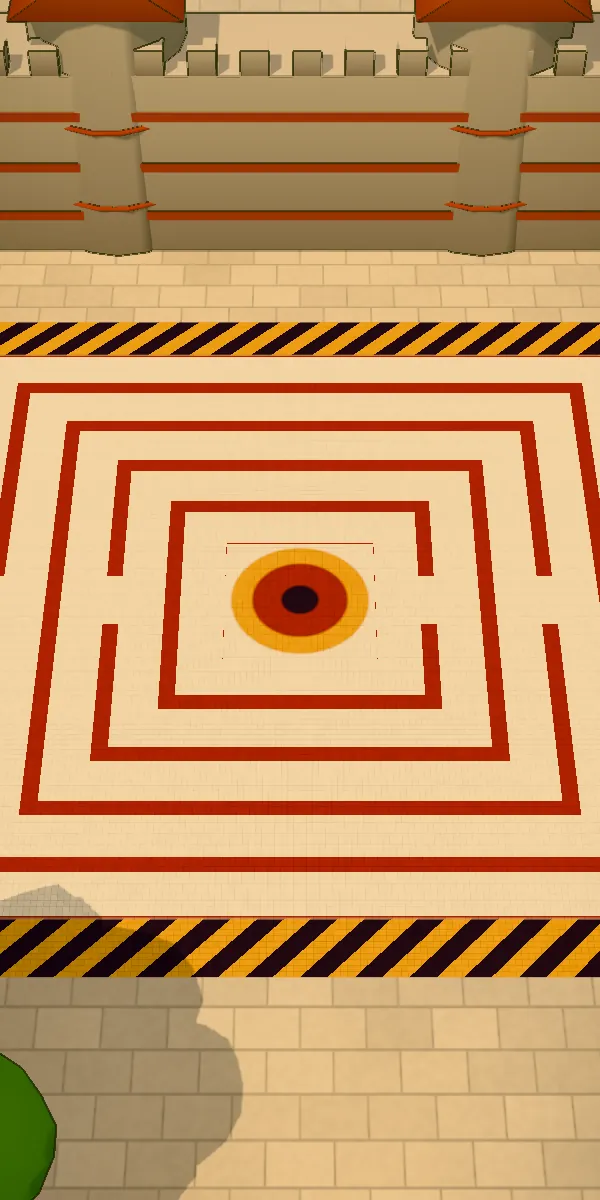
The Mist

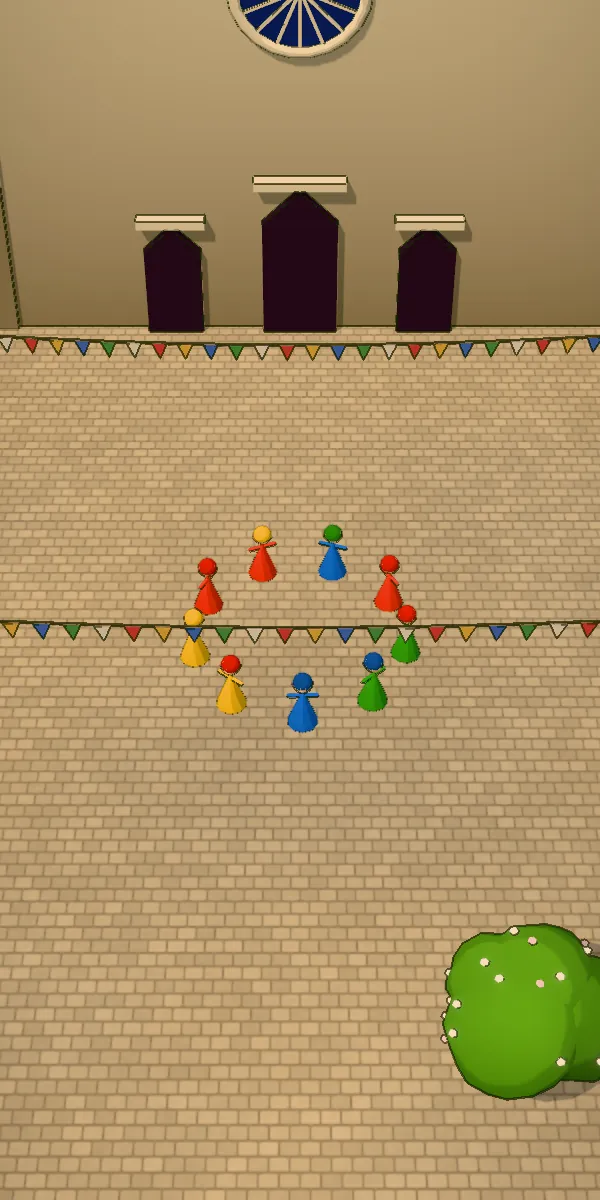
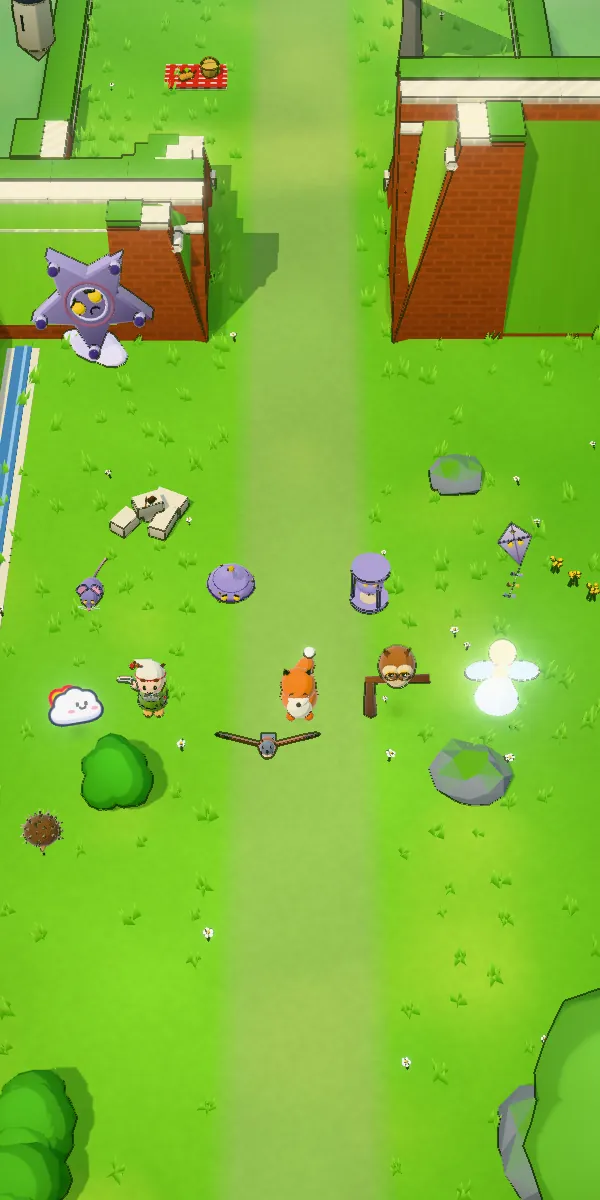
The Silence Mist, invented for the game, wants to hush Arras: its songs, its stories, its workshops and its feast. It takes the shape of things — piglets, amphorae, cheeses, balls of wool, flying letters, mice — which Pip dispels. None of them stands for any people or army.

6

chapters

2

mini-games

18

notebook species

The real history

What the episode tells

The name Artois is thought to come from the Atrebates, a Celtic people of Belgic Gaul, and Arras keeps their name too. Their oppidum, Nemetocenna, became Nemetacum, a Roman town of 35 hectares where the via Agrippa, from Lyon to Boulogne, crossed the road from Amiens to Bavay. In the 13th century, Arras was "the greatest urban literary centre in Europe": its trouvères competed in song at the Puy, and Adam de la Halle staged his Jeu de la feuillée there in 1276. In the 14th and 15th centuries its tapestries were so sought after that in Italian a tapestry is an "arazzo", and in English an "arras". Beneath the town, the boves were dug into the chalk from the 9th century to build the churches and the first rampart, then became the merchants' cellars; in 1916, tunnellers from New Zealand explored them and joined them up with tunnels. Above ground, the belfry has been World Heritage since 2005, and Vauban's citadel, never once attacked — hence its nickname, "the Beautiful Useless One" — since 2008.

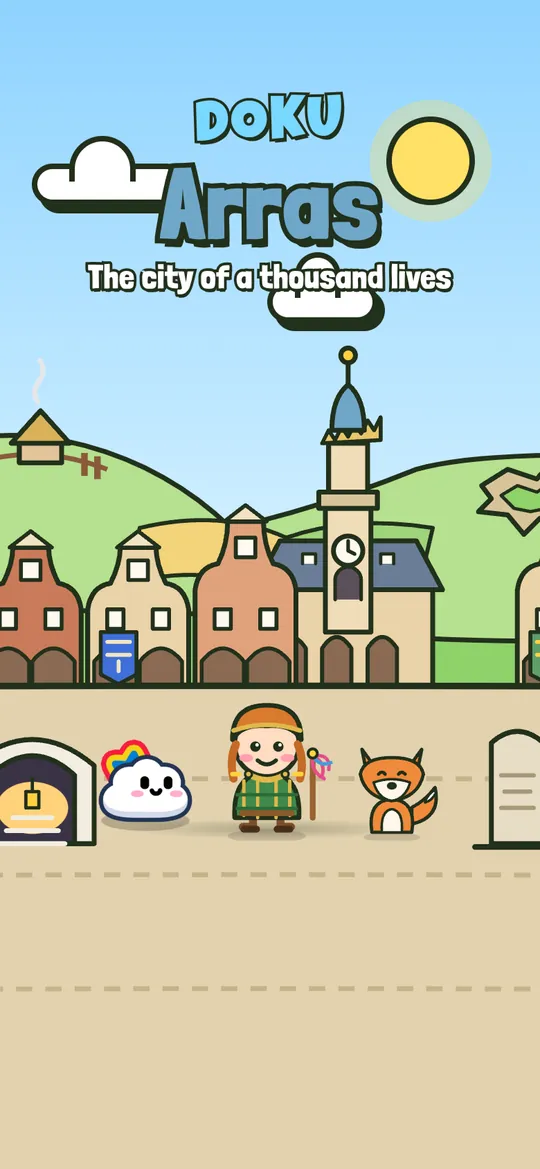
The episode's home screen in the game

Key dates

  1. 1

    27 BC

    Emperor Augustus creates the city of the Atrebates, in Latin civitas Atrebatum.

  2. 2

    301

    Diocletian's price edict still speaks of the quality of the Atrebates' woollens.

  3. 3

    1276

    Adam de la Halle's Jeu de la feuillée is staged in Arras.

  4. 4

    1384 - 1477

    Arras belongs to the Dukes of Burgundy, who order tapestries to show their wealth and give them as presents.

  5. 5

    1554

    The belfry of Arras, 75 m tall, is finished.

  6. 6

    9 August 1640

    After a siege of nearly two months, Arras, then Spanish, gives in to the army of Louis XIII and becomes French.

  7. 7

    1668

    Louis XIV has the citadel of Arras built to Vauban's plans.

  8. 8

    1916

    New Zealand tunnellers join up the old quarries beneath Arras with tunnels.

  9. 9

    1922

    At Beaurains, two workmen find a Roman treasure: coins, jewels and gold medallions.

  10. 10

    7 July 2008

    The citadel of Arras joins UNESCO's World Heritage List with eleven other places fortified by Vauban.

The chapters

Chapter by chapter

  1. Chapter 1

    The Atrebates' country

    Two thousand years ago: a Gaulish farm, a Roman road and the people who gave Artois its name.

    Pip is
    a little Gaul
    He throws
    mistletoe berries
    You cross
    the Gaulish farm, the fields, the forge, the wood, the Roman road, the oppidum's gate
    The guardian (made up)
    the Great Mist Boar

    Chronicle pages

    • More than 2,000 years agoThe Atrebates, a Celtic people of Belgic Gaul, lived roughly where Artois is today. The name Artois is thought to come from them, and the town of Arras keeps their name too.
    • 2nd – 1st century BCIn a wood between Pas-en-Artois and Warlincourt-lès-Pas, the Atrebates' treasure was found: 42 pieces, mostly Gaulish gold jewellery, among them four torcs, rigid neck rings. It is kept at the National Archaeology Museum.
    • 27 BCEmperor Augustus reorganises Gaul and creates the city of the Atrebates, in Latin civitas Atrebatum: their land becomes part of the Roman Empire.
    In the notebookWild boarRoosterMistletoe
    Companion wonChicken
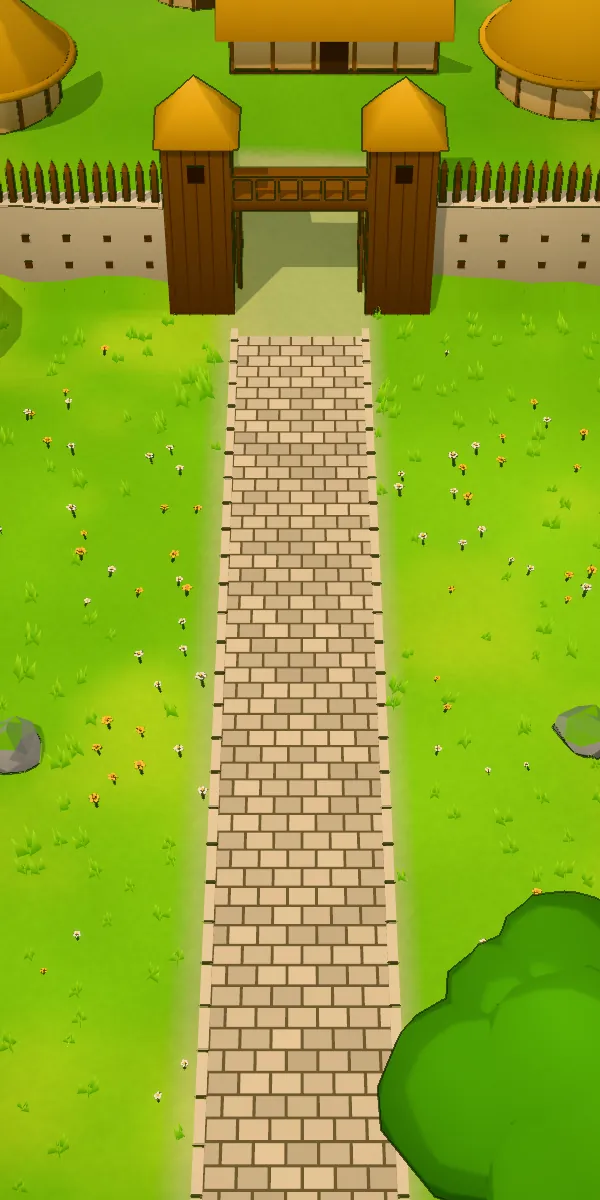
    Game screenshot — The Atrebates' country
  2. Chapter 2

    The Roman town

    Nemetacum, the Roman town that will become Arras: the Silence Mist has hushed its streets and woken the Minotaur of the great mosaic!

    Pip is
    a little Gallo-Roman
    He throws
    mosaic tesserae
    You cross
    the road into town, the weavers' quarter, the baths, the forum, the house of mosaics, the labyrinth mosaic
    The guardian (made up)
    the Mist Minotaur

    Chronicle pages

    • 1st centuryNemetacum, the Roman town that would become Arras, was built from the early 1st century on a chequerboard plan: all its streets cross at right angles.
    • 301In 301, Emperor Diocletian's edict, which set the highest prices for the whole Roman Empire, still speaks of the quality of the Atrebates' woollens.
    • 1922On 21 September 1922, at Beaurains, right next to Arras, two workmen digging clay found a Roman treasure: coins, jewels and gold medallions.
    In the notebookCommon walnutRoman snailBlack redstart
    Companion wonOvis
    Game screenshot — The Roman town
  3. Chapter 3

    The trouvères

    Arras in the time of the trouvères: the Silence Mist has hushed the town of songs and woken a gargoyle of the cathedral!

    Pip is
    a little jongleur
    He throws
    juggling balls
    You cross
    the meadows before the walls, the drapers' quarter, the chapel of the Holy Candle, the market, the Puy's court, the cathedral's square
    The guardian (made up)
    the Mist Gargoyle

    Chronicle pages

    • 13th centuryA trouvère was a poet who made up songs, words and music, in the langue d'oïl, the tongue French comes from. In the 13th century, Arras was the greatest literary centre of all the towns of Europe.
    • 13th centuryThe Puy of Arras held song contests between trouvères, led by a "Prince of the Puy" elected every year; women could be judges there.
    • 1276In May-June 1276, Arras watched Adam de la Halle's Jeu de la feuillée: his father, his friends, people of Arras and three fairies appear in it. It is one of the very first plays in French that does not tell a religious story.
    In the notebookHawthornCommon nightingaleWestern honey bee
    Companion wonPlume
    Game screenshot — The trouvères
  4. Chapter 4

    The town of tapestries

    Arras in the time of the Dukes of Burgundy: the Silence Mist has hushed the workshops and unravelled the great tapestry of Saint Vaast!

    Pip is
    a little apprentice tapestry weaver
    He throws
    balls of wool
    You cross
    the woad fields, the dyers' river, the weavers' workshop, the street of tapestries, the merchant's yard, the abbey's yard
    The guardian (made up)
    the Mist Tangle

    Chronicle pages

    • 14th - 15th centuriesThe tapestries of Arras were so famous that in Italy they were called "arazzi", and in England people simply said "arras".
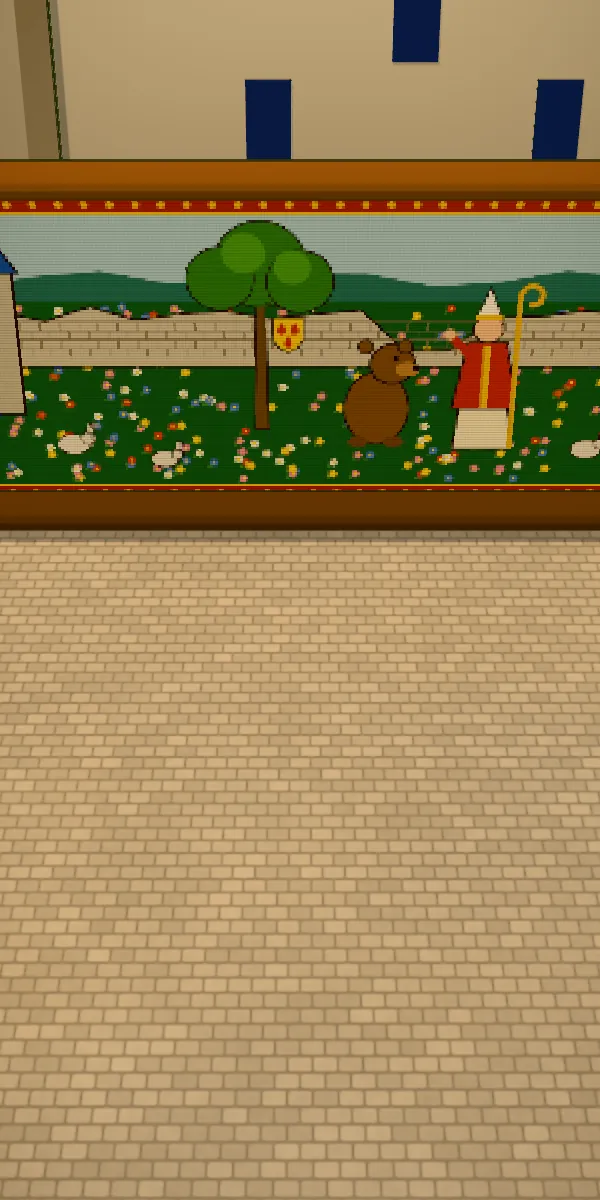
    • 15th centuryA 15th-century Arras tapestry shows Saint Vaast taming a brown bear, in a flowery meadow where three rabbits run. It is in the Museum of Fine Arts of Arras, in the old abbey of Saint-Vaast.
    • 1477In 1477, King Louis XI took Arras: the tapestry workshops scattered and Tournai took over. But in English, a tapestry is still called an "arras".
    In the notebookWoadEuropean goldfinchEuropean rabbit
    Companion wonPompon
    Game screenshot — The town of tapestries
  5. Chapter 5

    Under the cobbles

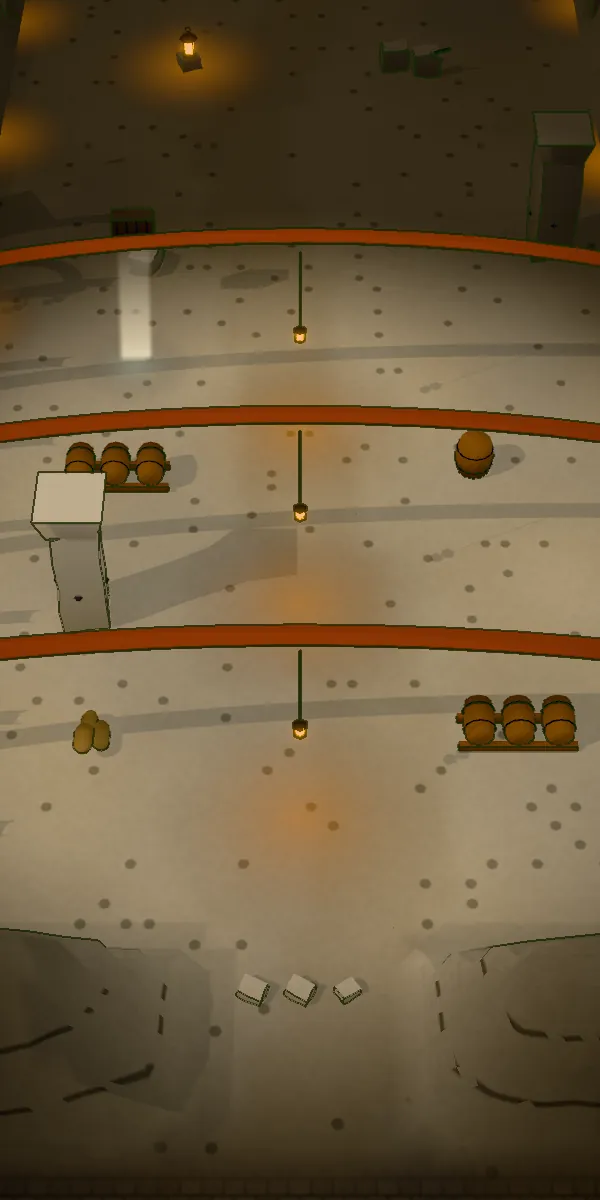
    Under the place des Héros in Arras, the Silence Mist has put out the lanterns of the boves and rubbed out the tunnellers' marks!

    Pip is
    a little explorer of the boves
    He throws
    coloured chalks
    You cross
    the place des Héros, the merchants' cellars, the old quarry, the tunnellers' galleries, the great shelter, the Wellington quarry
    The guardian (made up)
    the Mist Snuffer

    Chronicle pages

    • From the 9th centuryFrom the 9th century, people dug under Arras for the chalk that built its churches and first rampart. In the 12th century these boves became the merchants' cellars: it is 11 °C down there all year round.
    • 1916In 1916, a company of tunnellers arrived from New Zealand. They joined up the old quarries of Arras with tunnels and named them after towns back home: Auckland, Wellington, Nelson, Christchurch…
    • 1 March 2008The Wellington quarry opens to visitors: you go down with a guide. A wall honours the New Zealand tunnellers, and every 9 April, at dawn, people gather there to remember.
    In the notebookGreater horseshoe batHerald mothHart's-tongue fern
    Companion wonBattica
    Game screenshot — Under the cobbles
  6. Chapter 6

    The Beautiful Useless One

    On the day the giants of Arras come out, the Silence Mist wants the Beautiful Useless One to fight at last, and the giants to stay shut in!

    Pip is
    a little market gardener from Achicourt
    He throws
    spinning lollipops
    You cross
    the glacis, the bastion's ditch, the rampart, the barracks' courtyard, the porte Royale, the Grand-Place of Arras
    The guardian (made up)
    the Mist Star

    Chronicle pages

    • 1668Louis XIV had the citadel of Arras built to Vauban's plans: a pentagon, ringed by ditches filled with water from the Crinchon. On the town side, the porte Royale is decorated like a triumphal arch.
    • 17th centuryThe citadel was never attacked, so people nicknamed it "la Belle Inutile", the Beautiful Useless One! In its courtyard stand brick barracks and the chapelle Saint-Louis (1673).
    • Finished in 1554The belfry of Arras, 75 m tall, was destroyed in 1914 and rebuilt exactly as before. Right at the top stands a golden lion two metres tall, holding a sun.
    In the notebookEuropean hedgehogWallflowerKestrel
    Companion wonBlack Cat
    Game screenshot — The Beautiful Useless One

The mini-games

Another way to play

They open once their chapter is won: no fighting, no Mist, just a place and a skill.

  • Robin and Marion

    After the chapter “The trouvères”

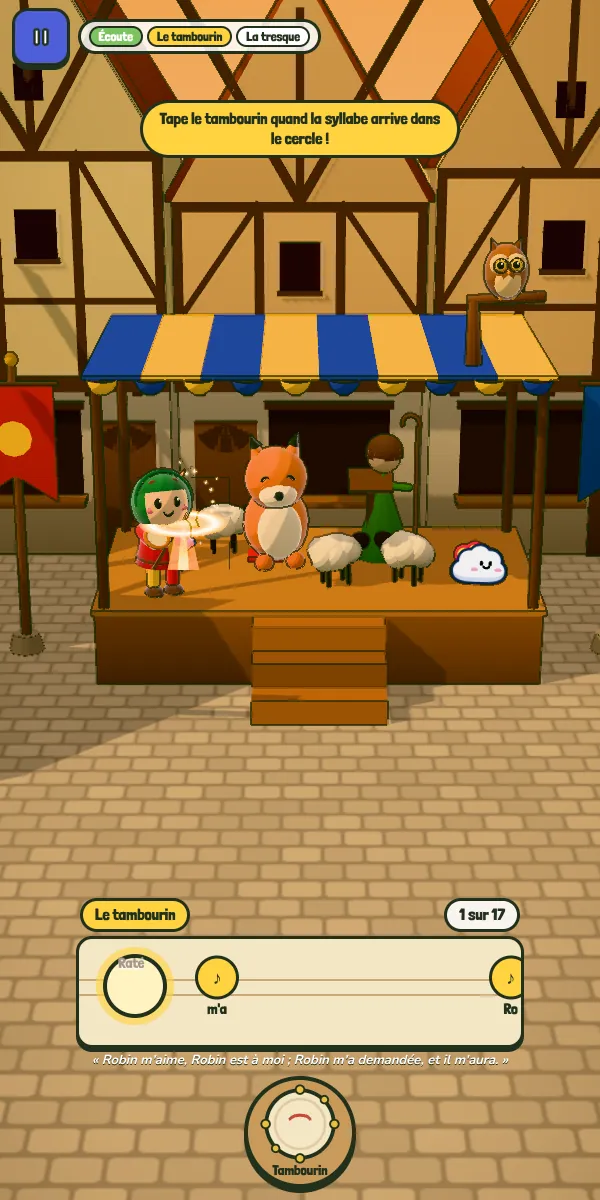
    In the court of the Puy, the troupe plays the Jeu de Robin et Marion. Play the tambourine along with Marion's song!

    What you learn

    The Jeu de Robin et Marion was written by Adam de la Halle, a trouvère of Arras, around 1283, most likely for the court of Naples. It is a play broken up with songs, said to be the oldest non-religious French play with music; Pip plays the tambourine along with Marion's song.

    Game screenshot — Robin and Marion
  • Pip's tapestry

    After the chapter “The town of tapestries”

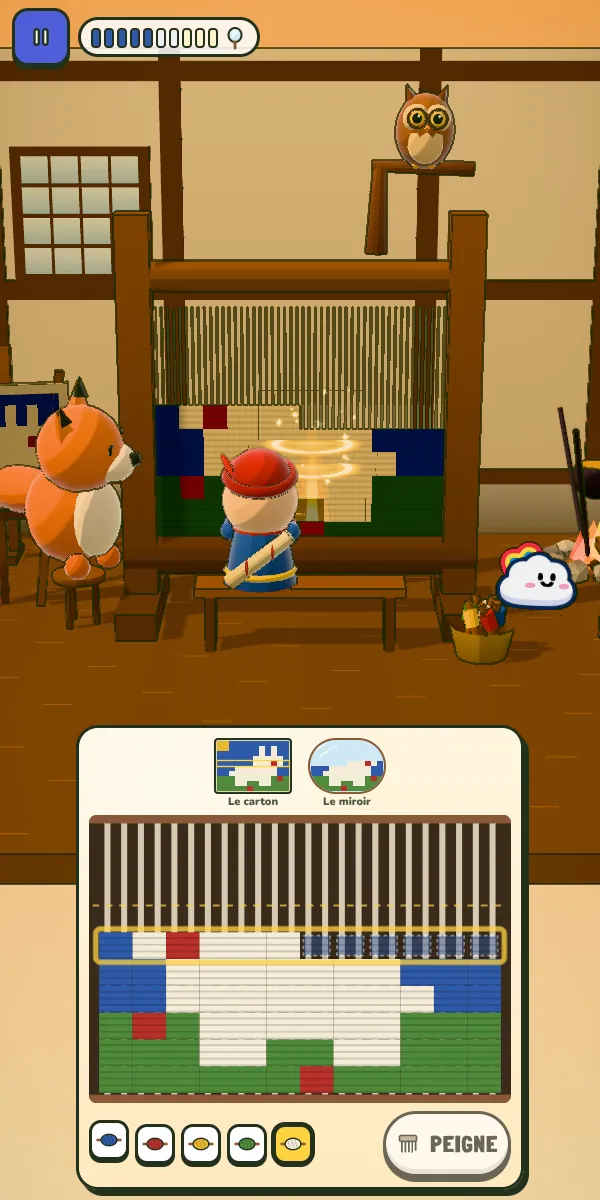
    In a workshop of Arras, weave your first tapestry: a rabbit, one pass after another… on the back side!

    What you learn

    The weaver works on the back, following the cartoon, the big painted design; a little mirror shows him the front. A bobbin loaded with wool makes the coloured weft, and a comb packs it down.

    Game screenshot — Pip's tapestry

With care

What the game makes up, what it doesn't show

  • Pip, Russet the fox, Hoot the owl, the Grimoire, the Silence Mist, its Mistlings and its guardians are invented. The Mistlings are dispelled, never killed, and stand for no people and no army.
  • No warrior, Gaulish or Roman, no soldier, no weapon, no flag: Caesar's conquest, the sieges and the Battle of Arras in 1917 are told by the pages, never shown.
  • The places are imagined from the sources: the digs in Arras have not found "this" forum or "these" baths, and beneath the town the quarries form several networks that the game puts end to end.
  • The Holy Candle and the mice that would eat the cats are legends, told as legends; the tapestry of Saint Vaast that Pip weaves again is a free reconstruction of the museum's, which is intact.
  • In the boves, the charcoal drawings on the chalk are invented for the game, without a word; the game shows only traces: rails, cables, bunks.
  • Colas, Jacqueline and Dédé, the giants of Arras, are drawn from a 1928 description and today's photos: market gardeners, with no weapon.

For real

Go and see the places

Coming soon onGoogle PlayLater onApp Store