
Doku — The Lost Chronicle · Episode 6 / 7

All episodes

DokuSaint-Omer

Along the water

The Audomarois, in the Pas-de-Calais

Along the water, around Saint-Omer: the market gardeners' marsh and its bacôves, the town, its cathedral and the Shakespeare book in its library, the Fontinettes boat lift at Arques, then Thérouanne, the vanished town that archaeologists find again under the fields. Pip is in turn a little boatman, a little actor, a little bargee on holiday and a little archaeologist. Five mini-games wait for him, from the flowered bacôve to the dig square.

The Mist

The Marsh Mist, made up for the game: the morning mist over the water, turned nasty by the Grey Mist. It wants everything to stop: the water in the watergangs, the town's clock, organ and bells, the ink in the books, the barges on the canal, and even the memory of Thérouanne, the vanished town.

4

chapters

5

mini-games

12

notebook species

The real history

What the episode tells

The Audomarois marsh is crossed by nearly 700 kilometres of waterways: between its ditches, the watergangs, lie gardens that could once be reached only by boat, on flat-bottomed bacôves pushed along with a pole. Its farming began in the 12th century, led by the abbeys, such as Clairmarais, founded in 1140; it has been a Ramsar site since 2008 and a UNESCO biosphere reserve since 2013. In Saint-Omer, the cathedral keeps a 16th-century astronomical clock that still works, the Italian-style theatre of the Moulin à café opened in 1840, and the library owns a Shakespeare First Folio (1623), recognised in 2014. At Arques, the Fontinettes boat lift, opened in 1888, raised and lowered barges by 13 metres in two water-filled tanks set on pistons, in place of a flight of five locks. Stopped in 1967, it is now the only boat lift in France, listed as a historic monument in 2014. Lastly, Thérouanne, probably the capital of the Morini, then a Gallo-Roman town and the seat of a vast bishopric in the Middle Ages, was entirely dismantled in 1553 on the orders of Charles V; archaeologists have been digging it since 1898.

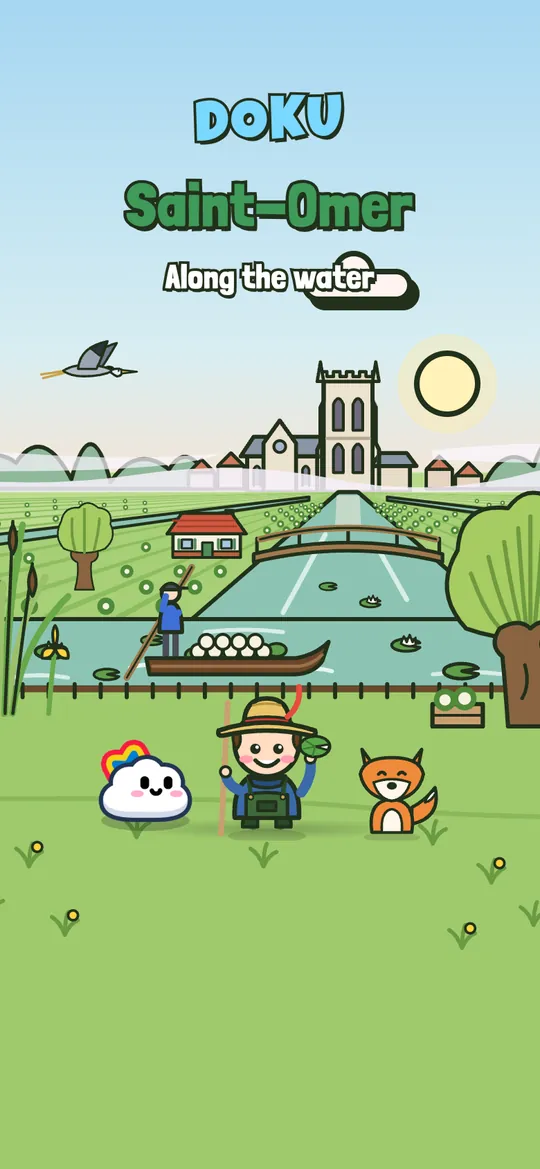
The episode's home screen in the game

Key dates

  1. 1

    1140

    Cistercian monks found Clairmarais abbey, at the edge of the marsh.

  2. 2

    1553

    Thérouanne is entirely dismantled on the orders of Charles V.

  3. 3

    1623

    Shakespeare's First Folio is published, 36 plays gathered by two actors from his company.

  4. 4

    1840

    The Italian-style theatre of Saint-Omer's town hall, the "Moulin à café", opens.

  5. 5

    1888

    The Fontinettes boat lift opens at Arques.

  6. 6

    1898

    Camille Enlart begins digging the cathedral of Thérouanne.

  7. 7

    1967

    The lift stops; a new lock replaces it.

  8. 8

    2008

    The Audomarois marsh receives the Ramsar label for wetlands of international importance.

  9. 9

    2013

    UNESCO designates the Audomarois marsh a biosphere reserve.

  10. 10

    2014

    A Shakespeare First Folio is recognised in the Saint-Omer library.

The chapters

Chapter by chapter

  1. Chapter 1

    The market gardeners' marsh

    In the marsh of Saint-Omer, the Marsh Mist has laid a grey veil over the canals: the water has stopped flowing and the boats stay moored. Go from garden to garden… and bring the water back!

    Pip is
    a little boatman
    He throws
    water-lily pads
    You cross
    the Haut-Pont quarter and its quay, the lègres and their cauliflowers, a bacôve maker's workshop, the postman's watergangs, the Romelaëre ponds and their reeds, the ruins of Clairmarais abbey
    The guardian (made up)
    the Mist Cauliflower King

    Chronicle pages

    • 1140Monks from Clairvaux found the Cistercian abbey of Clairmarais, at the edge of the marsh. It was closed in 1791; its remains have been historic monuments since 1946.
    • 2008The Audomarois marsh receives the Ramsar label, given to wetlands of international importance. Nearly 700 kilometres of waterways cross it: rivers and a dense network of ditches, the watergangs.
    • still todayIn the old days, the marsh gardens could be reached only by boat. The market gardener had his bacôve, a flat-bottomed boat pushed with a pole, which could carry up to 3.5 tonnes of cauliflowers.
    In the notebookEurasian bitternPikeWater soldier
    Companion wonRainbloom
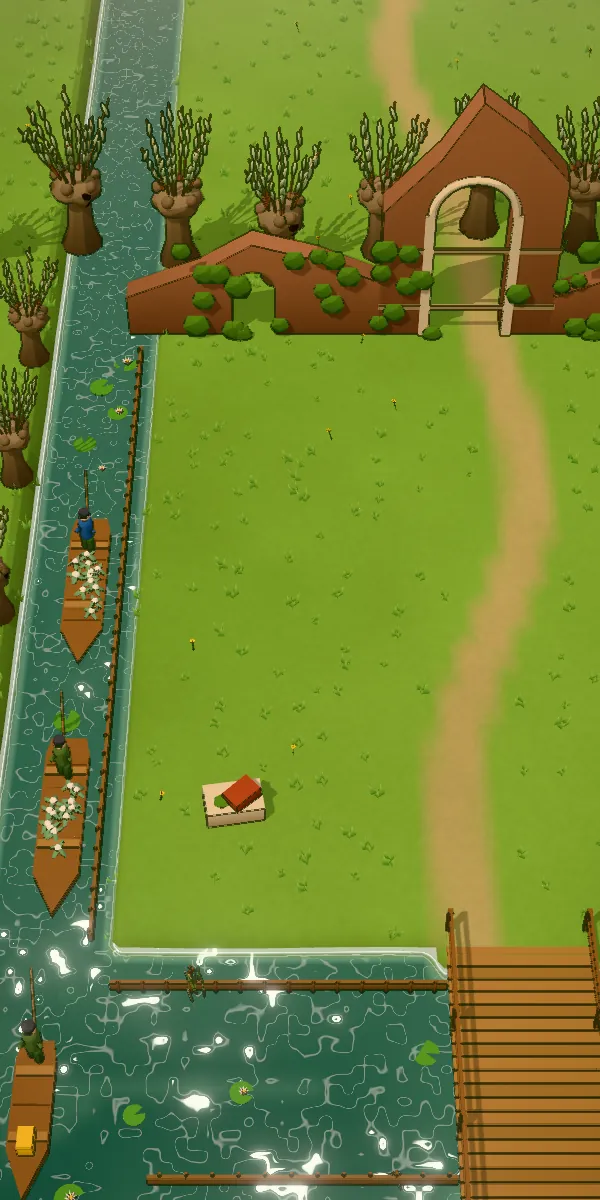
    Game screenshot — The market gardeners' marsh
  2. Chapter 2

    The cathedral and the book

    In Saint-Omer, the Marsh Mist has crept up into the town: the clock has stopped, the bells are silent and the ink is fading from the books. Yet tonight there's a Shakespeare play… Bring the words back!

    Pip is
    a little actor
    He throws
    bookmarks
    You cross
    the public garden on the old rampart, the formal French garden, the side of the cathedral, the Grand-Place and the Moulin à café, the Jesuit chapel, the library's heritage room
    The guardian (made up)
    the Mist Bookworm

    Chronicle pages

    • 1623Seven years after Shakespeare's death, two actors from his company, John Heminges and Henry Condell, publish the First Folio: 36 plays, 18 of which had never been printed, such as Macbeth, The Tempest and Julius Caesar.
    • 2014At the library of the Saint-Omer area, Rémy Cordonnier recognises a Shakespeare First Folio, catalogued as an 18th-century book because its title page was missing. It is one of some 230 known copies in the world, and the second in France.
    • 1840The town hall theatre, nicknamed the "Moulin à café" (the coffee grinder) for its dome, opens on 18 October 1840: an Italian-style theatre. Closed in 1973, it reopens in 2019, 46 years later.
    In the notebookGinkgoPeregrine falconBarn owl
    Companion wonCorneille
    Game screenshot — The cathedral and the book
  3. Chapter 3

    The boat lift

    In Arques, the Marsh Mist has jammed the boat lift: the barges are asleep along the canal and the little train has stopped puffing. Walk up the towpath and get the boats moving again!

    Pip is
    a little bargee on holiday
    He throws
    little life rings
    You cross
    the towpath of the Neufossé canal, the glassworks, the little station of the tourist train, the old flight of locks and the lock-keeper's house, the engine room, the foot of the lift
    The guardian (made up)
    the Great Mist Piston

    Chronicle pages

    • 1888The Fontinettes boat lift, at Arques, opens on 8 July 1888. It replaces a flight of five locks to climb the 13 metres between two parts of the canal.
    • 1888 to 1967Two big water-filled tanks, each large enough for a barge, rest on pistons and balance each other. Thirty centimetres of water, about 64 tonnes, are added to the upper tank: it goes down, and the other comes up.
    • 2014Stopped in 1967, when concrete was poured into its pistons and a new lock was opened, the lift is listed as a historic monument in 2014: it is the only boat lift in France.
    In the notebookKingfisherEuropean eelGrey heron
    Companion wonMousse
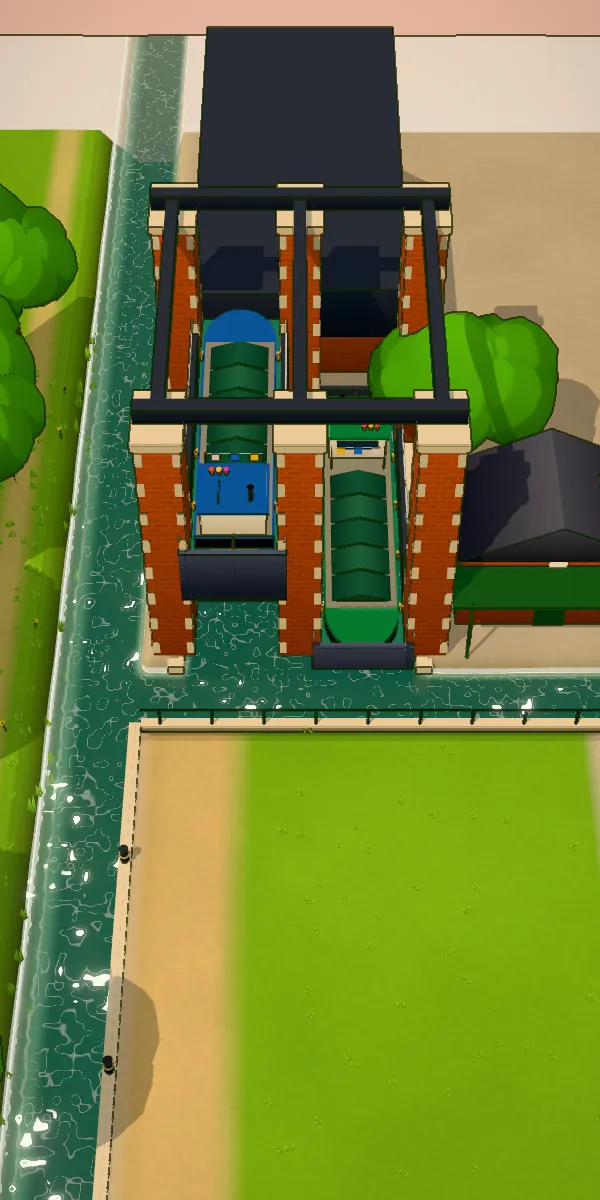
    Game screenshot — The boat lift
  4. Chapter 4

    The vanished town

    In Thérouanne, the Marsh Mist wants the vanished town forgotten: it has buried the dig again and taken the digger. Find the town under the fields, layer after layer!

    Pip is
    a little archaeologist
    He throws
    brushes
    You cross
    the banks of the Lys and its mill, the Place de la Morinie and the House of Archaeology, the dig, the archaeologists' camp, the old ramparts, the archaeological garden of the cathedral
    The guardian (made up)
    the Mist Digger

    Chronicle pages

    • more than 2,000 years agoThérouanne, then called Tarvenna, is probably the capital of the Morini, a Gaulish people. After Julius Caesar's conquest, it becomes a thriving Gallo-Roman town.
    • 1553The town is entirely dismantled on the orders of the emperor Charles V. The cathedral's memorial plaque bears a chronogram, "DeLetI MorInI" ("the Morini are destroyed"): its capital letters, M + D + L + I + I + I, add up to 1553.
    • 1898Camille Enlart begins digging the cathedral; other archaeologists will follow until 2010. A 16th-century paved courtyard shows the ground level in 1553. Once studied, the remains were covered over again to protect them, and the site became a garden.
    In the notebookCommon wall lizardEuropean moleEuropean hare
    Companion wonPierrot
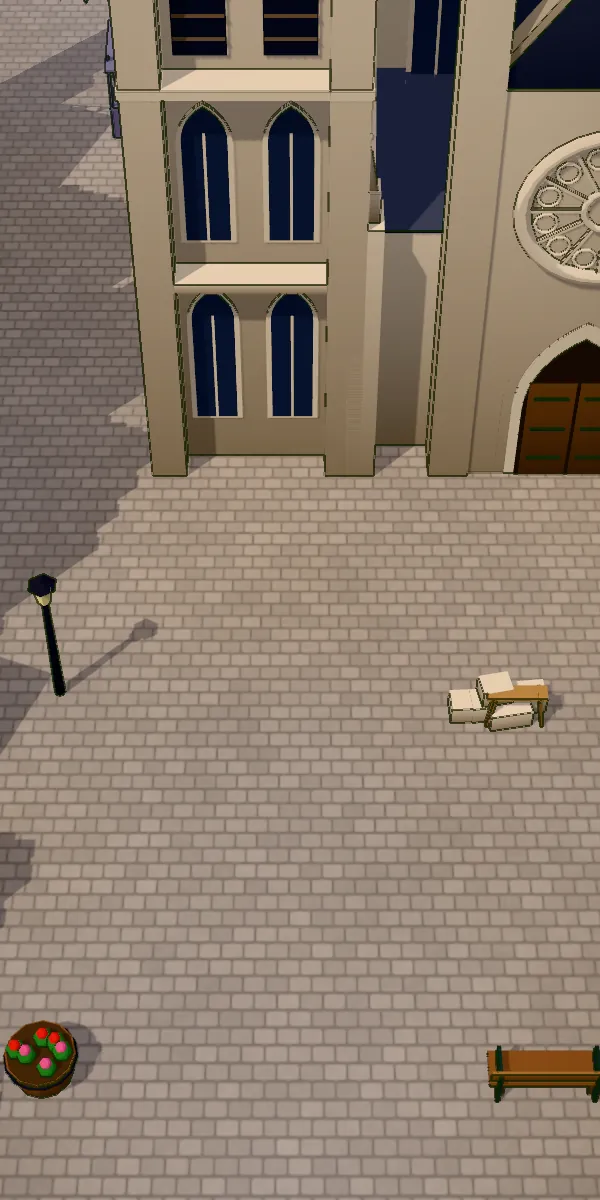
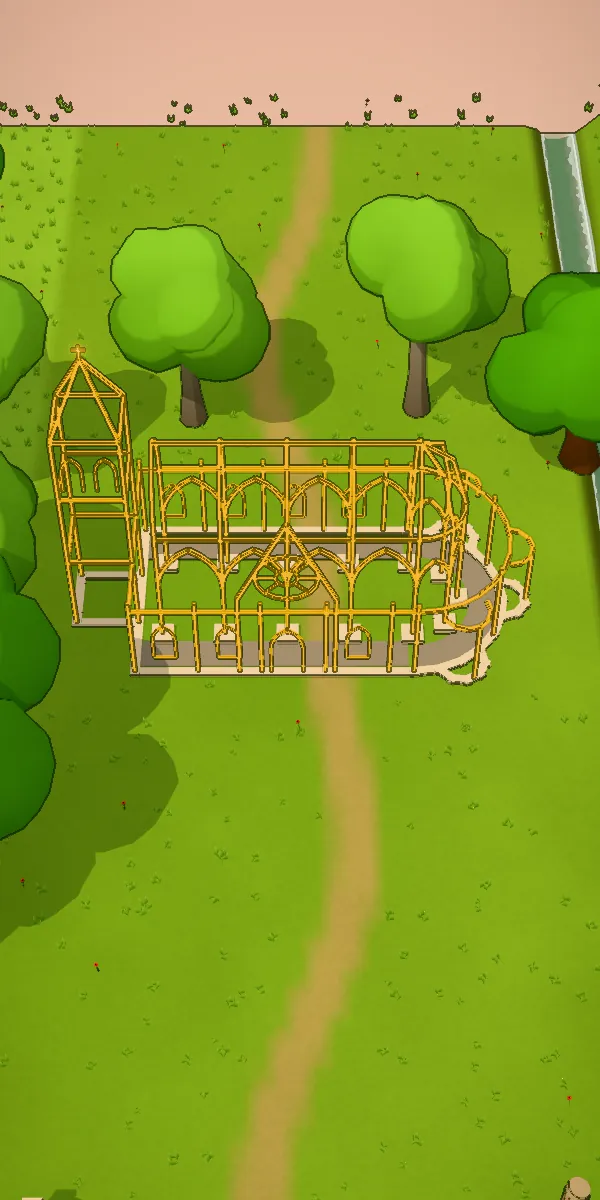
    Game screenshot — The vanished town

The mini-games

Another way to play

They open once their chapter is won: no fighting, no Mist, just a place and a skill.

  • Pip's bacôve

    After the chapter “The market gardeners' marsh”

    Pole Granny Lou's flowered bacôve from her garden to the nautical procession of the Haut-Pont!

    What you learn

    How a boat pushed with a pole moves: the pole does not push the water, it pushes against the bottom. Where the water is too deep to reach the bottom, it no longer moves the boat.

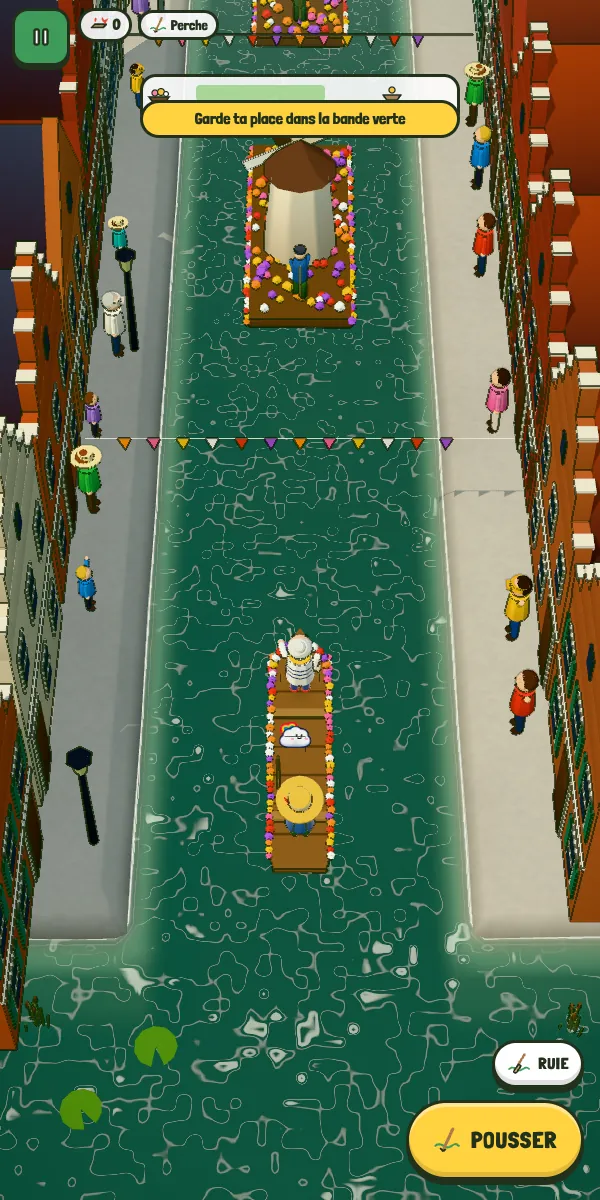
    Game screenshot — Pip's bacôve
  • Pip's play

    After the chapter “The cathedral and the book”

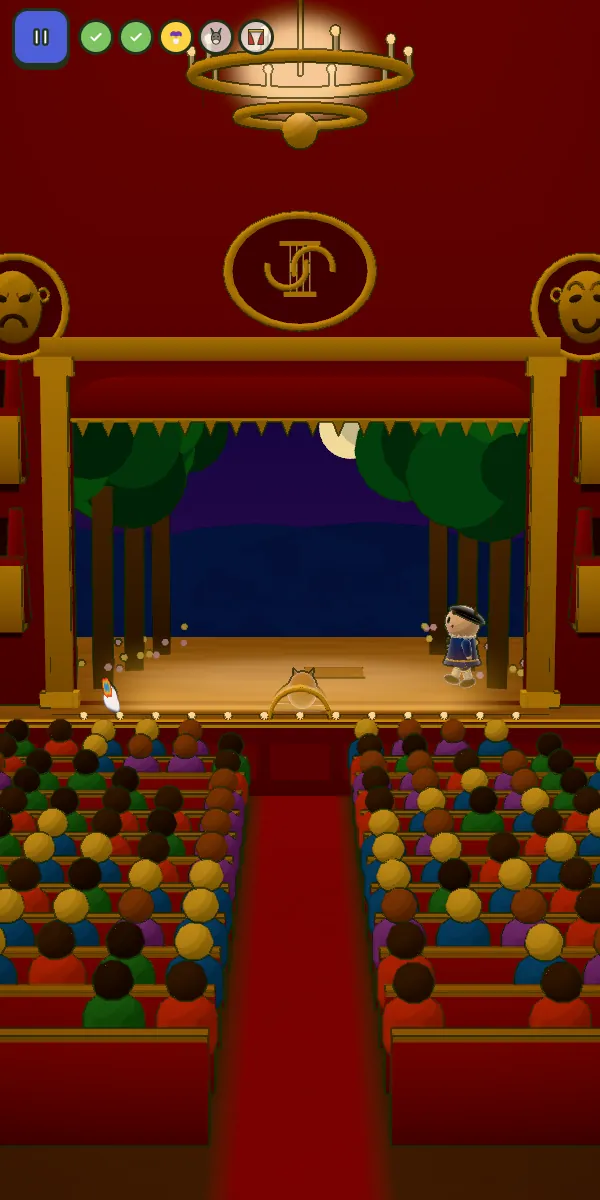
    Tonight at the Moulin à café's theatre, Pip plays Puck, Shakespeare's mischievous sprite. Strike the three knocks… and on stage!

    What you learn

    In a French theatre, seen from the audience, the "garden side" (côté jardin) is the left of the stage and the "courtyard side" (côté cour) its right. The words come from the Salle des Machines of the Tuileries palace, built between a courtyard and a garden.

    Game screenshot — Pip's play
  • Pip's clock

    After the chapter “The cathedral and the book”

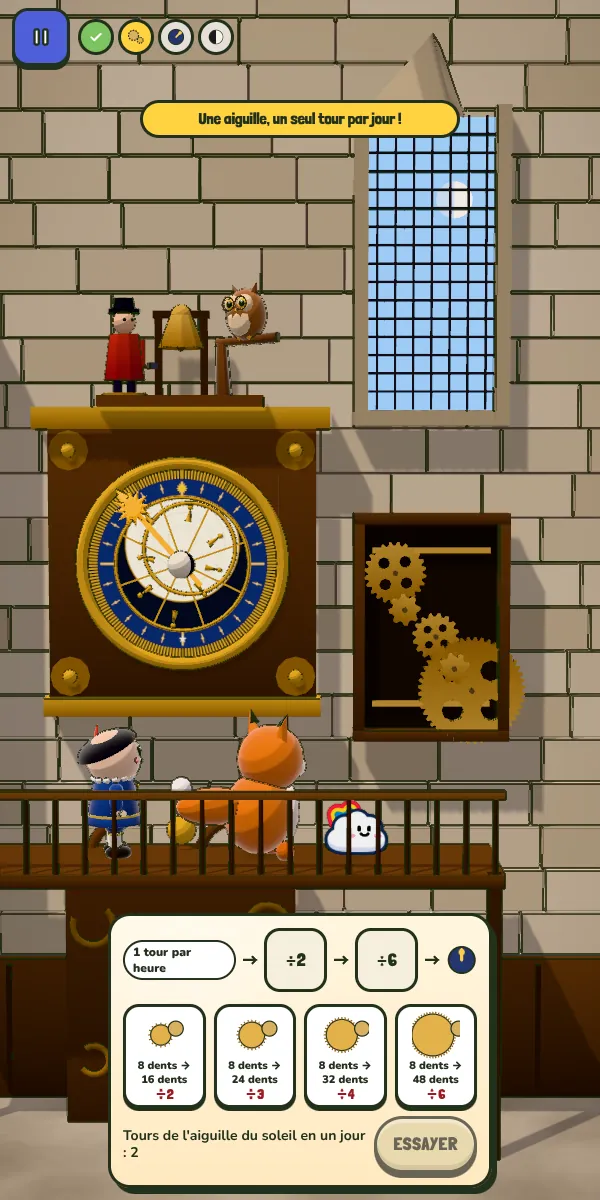
    In Saint-Omer's cathedral, the Mist has stopped the great astronomical clock. Wind up its weight, choose its wheels, set it to the right time… and it will go again!

    What you learn

    What makes an old clock go: a weight hanging from a cord gives it energy as it falls, and a small mechanism interrupts the fall at regular intervals.

    Game screenshot — Pip's clock
  • Pip's barge

    After the chapter “The boat lift”

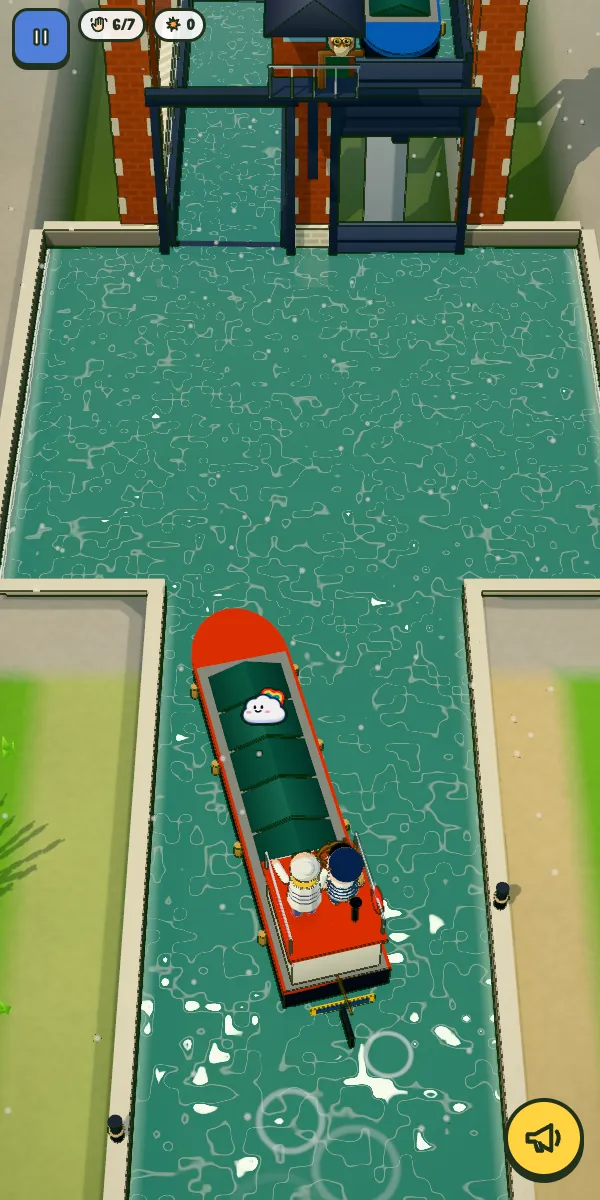
    Steer the barge with Granny Lou beside you, greet the people on the towpath, then work the boat lift yourself!

    What you learn

    How the Fontinettes lift worked: the two tanks, set on pistons, balance each other; the gates are closed, a 30-centimetre layer of water is added to the upper tank, and, now heavier, it goes down while the other comes up with its barge.

    Game screenshot — Pip's barge
  • Pip's dig square

    After the chapter “The vanished town”

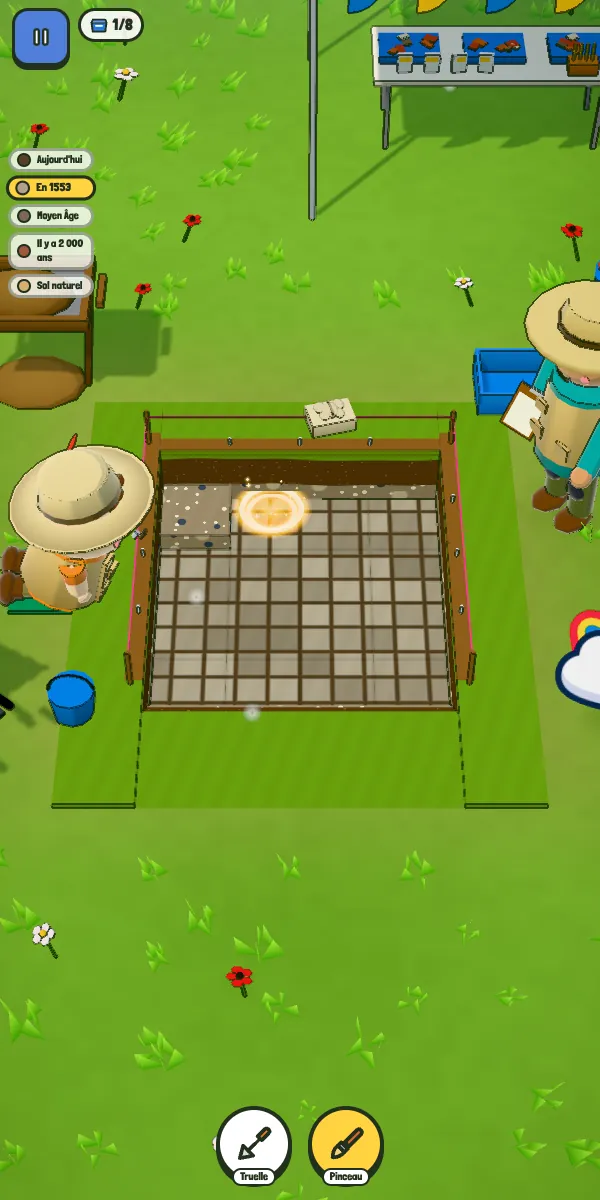
    Dig your very own square beside Inès the archaeologist: flat, layer after layer, from 1553 down to the Romans!

    What you learn

    How to read the ground of a dig: a layer is younger than the one it covers, and older than the one covering it. The deeper you go, the further back in time you travel.

    Game screenshot — Pip's dig square

With care

What the game makes up, what it doesn't show

  • Pip, Russet, Hoot, the Grimoire, the Marsh Mist, its Mistlings and its four guardians (a cauliflower king, a bookworm, a great piston, a digger) are made up, like Granny Lou and Inès the archaeologist. The real animals of the notebook are peaceful: you watch them without disturbing them, and neither hunting nor fishing is shown.
  • Nothing religious is staged: in the chapter, the cathedral is shown from outside, and its organ and its labyrinth are told by the pages; in the clock mini-game, you see only its wall, its window and the dial.
  • No war is shown: the end of Thérouanne in 1553 is told by a page, with no siege and no soldier. The cathedral of light that rises at the end of the chapter is a drawing, not a reconstruction.
  • Pip is never a child at work: he spends the summer on his family's barge and does not tow it; Granny Lou lends him the helm, and Inès the dig square, just for a game.
  • The routes are imagined, like the Shakespeare play performed "tonight" at the Moulin à café and the library's great book, drawn in strokes, with no real letters. The Fontinettes lift does not really work again: its pistons have been filled with concrete since 1967.

For real

Go and see the places

Coming soon onGoogle PlayLater onApp Store