
Doku — The Lost Chronicle · Episode 7 / 7

All episodes

DokuLa Coupole

From shadow to stars

The Helfaut plateau, in the Pas-de-Calais

On the Helfaut plateau, near Saint-Omer, the heath in flower leads at nightfall to the great dome of La Coupole, now a museum and a planetarium. There Pip steps into the memories of Paul, an imagined boy who was nine in 1940, then travels from planet to planet all the way to the Moon. An episode about no longer being afraid of the dark, and learning to read the sky.

The Mist

The Mist of Fear, made up for the game: it wants children to be afraid of the dark. It stretches the shadows on the heath, slips into Paul's memories, switches off the planetarium's screen and wants the Moon's night never to end.

4

chapters

5

mini-games

12

notebook species

The real history

What the episode tells

South of Saint-Omer, the Helfaut plateau, about 70 metres high, separates the valley of the Aa from the basin of the Lys. Its soil of sand and clay, acid and poor, rare in the Pas-de-Calais, carries a heath of ling and gorse, ponds where ten species of amphibians live, and Boulonnais sheep, Dartmoor ponies and cows that keep it a heath by grazing; since 2009 it has been a regional nature reserve. At the edge of the plateau, in an old quarry at Wizernes, stands a concrete dome 71 metres wide. In 1943 and 1944, Nazi Germany had it built to prepare rockets there and launch them at London; more than a thousand workers worked on it, many of them with no choice. Bombed, the building site stopped in July 1944: it was never used. Since 1997, La Coupole has been a museum that tells this story so that it is not forgotten, and since 2012 its planetarium, under a round screen 15 metres wide, also takes visitors to the stars. On the heath, two little wartime blockhaus became bat shelters in 2018.

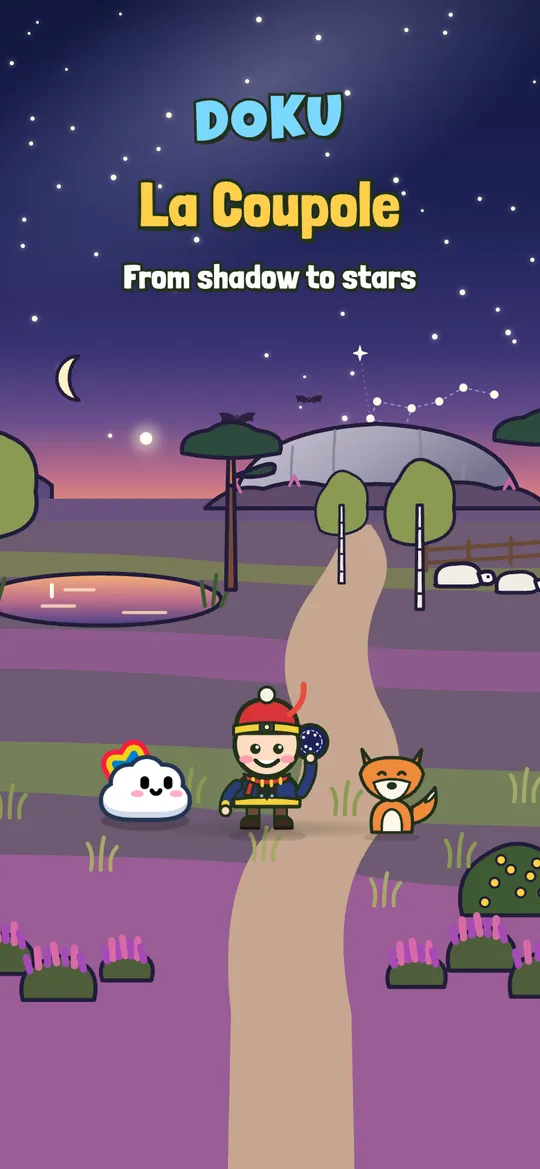
The episode's home screen in the game

Key dates

  1. 1

    1781

    On 13 March, in Bath, William Herschel discovers Uranus from his garden, with a telescope he made himself.

  2. 2

    1846

    On 23 September, in Berlin, Neptune is found where Urbain Le Verrier had calculated it: the first planet found by calculation.

  3. 3

    1943

    From November, Nazi Germany has a huge concrete dome built at Wizernes; many workers are forced to work on it. Bombed, the site stops in July 1944: it was never used.

  4. 4

    5 September 1944

    Saint-Omer is liberated by the 1st Polish Armoured Division.

  5. 5

    1969

    On 21 July, Neil Armstrong takes the first step on the Moon, in the Sea of Tranquility.

  6. 6

    1971

    On 2 August, at the end of Apollo 15's last moonwalk, David Scott's hammer and feather fall together on the Moon.

  7. 7

    1977

    On 20 August, the Voyager 2 probe sets off for the giant planets; it will fly past Uranus in 1986 and Neptune in 1989.

  8. 8

    2009

    On 9 November, the Landes plateau becomes a regional nature reserve.

  9. 9

    2012

    La Coupole opens its planetarium: a hemispherical screen 15 metres wide, shows in 3D.

  10. 10

    2019

    On 3 January, Chang'e 4 lands on the far side of the Moon, a first.

The chapters

Chapter by chapter

  1. Chapter 1

    The heath plateau

    On the heath of Helfaut, the Mist of Fear stretches the shadows and hides the stars. Cross the heath as night falls… and light up the sky again!

    Pip is
    a little stargazer
    He throws
    little stars
    You cross
    the edge of the village of Helfaut, the heath and the sheep pen, the ponds, the birch wood and its old blockhaus, the big pond, the rim of the plateau above the Wizernes quarry
    The guardian (made up)
    the Mist Shadow

    Chronicle pages

    • 1943-1944In an old quarry at Wizernes, Nazi Germany has a concrete dome 71 metres wide built. Bombed, the site was never used: since 1997 it has been a museum that tells this story, and since 2012 a planetarium too.
    • 2009The Region makes the Landes plateau a nature reserve, over four villages: Blendecques, Helfaut, Heuringhem and Racquinghem. To protect it, you stay on the paths, on foot, and pick nothing.
    • 2018Young people clean out and fit out two little wartime blockhaus on the Helfaut heath, so that bats can spend the winter there in peace.
    In the notebookGreat crested newtWoodcockDaubenton's bat
    Companion wonBlack Hole
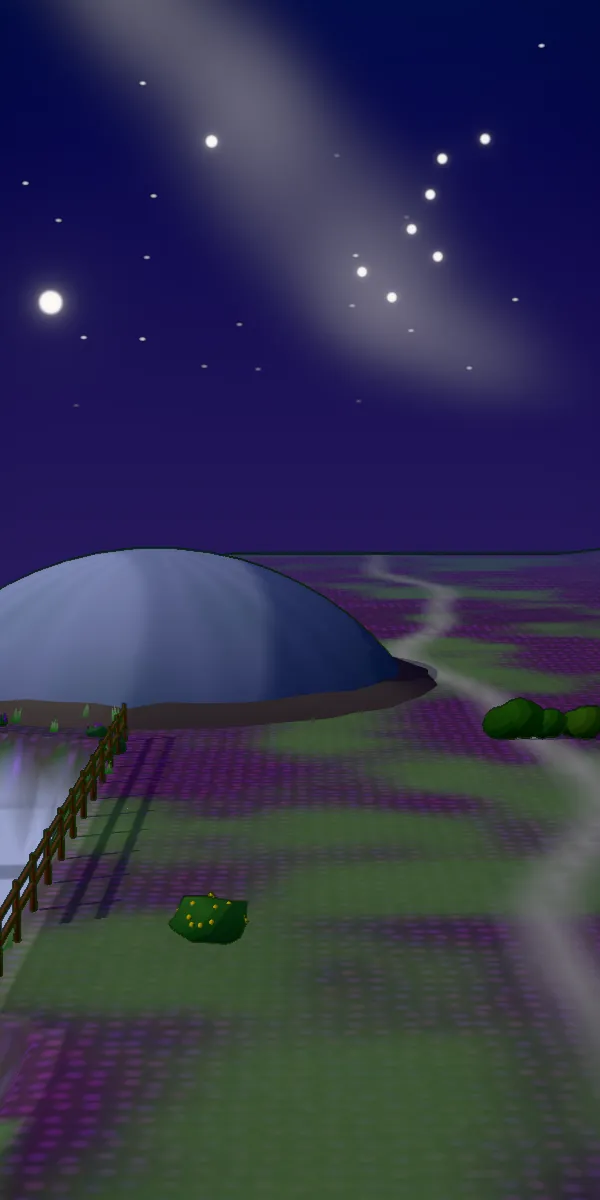
    Game screenshot — The heath plateau
  2. Chapter 2

    Under the dome

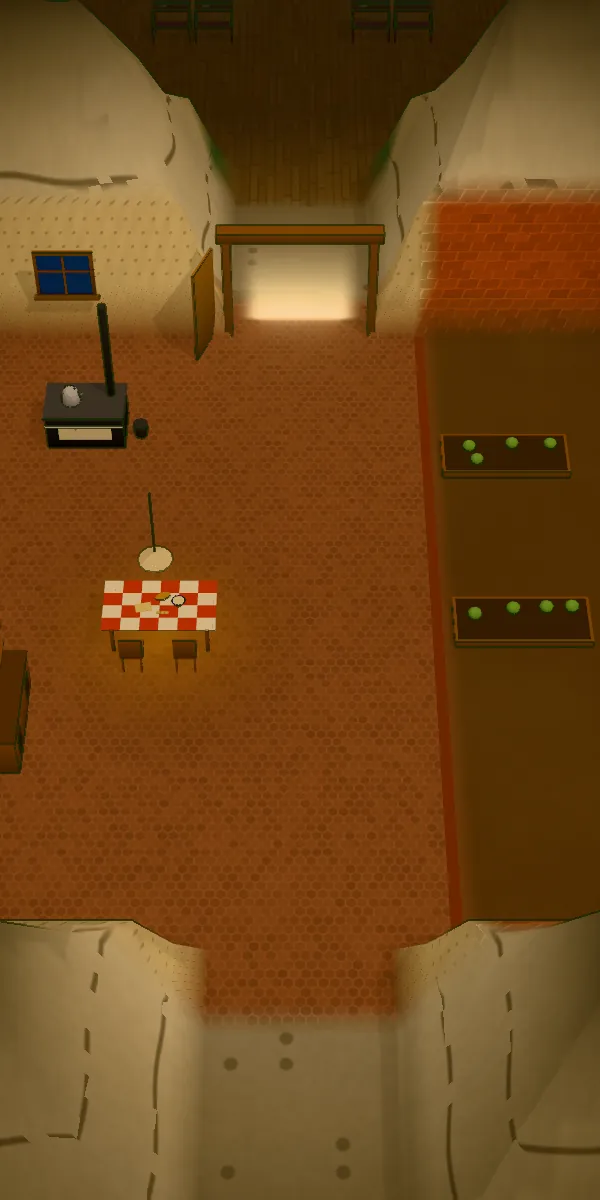
    Under the great dome, a museum keeps the notebook of Paul, a 9-year-old boy during the war. The Mist of Fear has hidden in it: step into his memories and give them back their colours!

    Pip is
    a little schoolboy of 1940
    He throws
    glass marbles
    You cross
    the Wizernes quarry at night, the museum's tunnel and its showcases, then, in Paul's memories, his kitchen and vegetable garden, his classroom, the cellar shelter, and the hall under the dome
    The guardian (made up)
    the Mist Siren

    Chronicle pages

    • from 1940From the autumn of 1940, food is rationed: everyone has a card and tickets, and the card for children aged 7 to 12 is called "J2". People queue, and drink chicory instead of coffee.
    • 1939-1944When the siren sounds the alert, everyone goes down to the shelter, a cellar or a trench. Schoolchildren go down too, and all sing together to chase their fear away.
    • 5 September 1944Saint-Omer is set free by Polish soldiers who came with the Allies, those of the 1st Polish Armoured Division.
    In the notebookSwedeJerusalem artichokeChicory
    Companion wonTournesol
    Game screenshot — Under the dome
  3. Chapter 3

    The planetarium

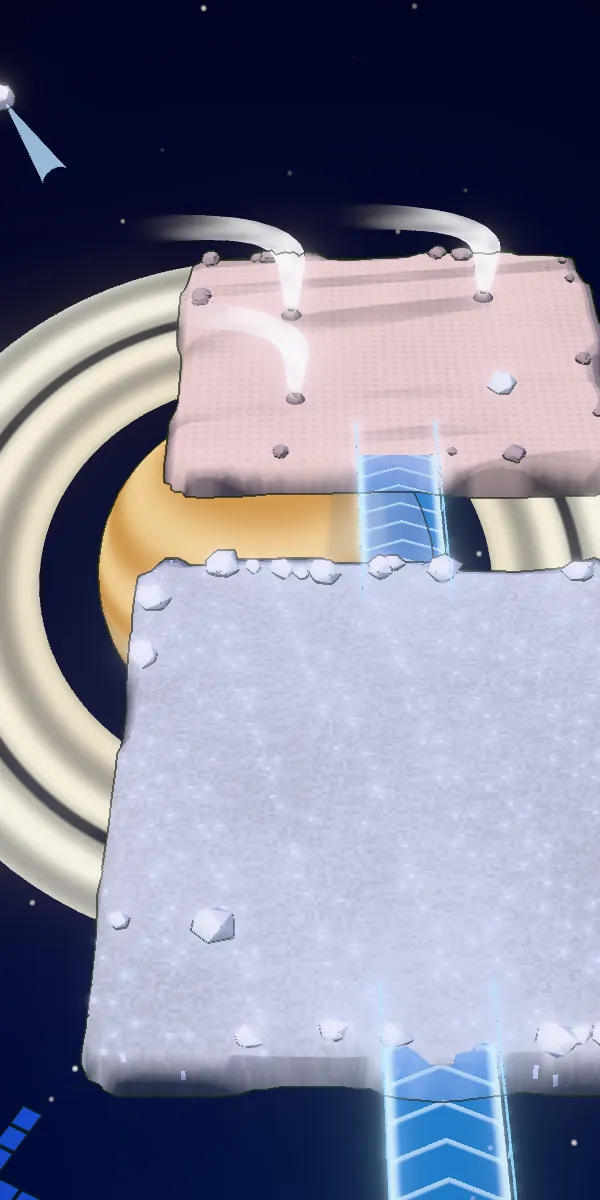
    At La Coupole's planetarium, the Mist of Fear has switched the screen off. Travel from planet to planet, from Mercury to Saturn's rings… and light the stars again!

    Pip is
    a little astronaut
    He throws
    little ringed planets
    You cross
    the hall and its seats, Mercury and the Sun, Venus and its clouds, the Space Station's Cupola above the Earth, Mars, Europa beneath Jupiter, Saturn's rings, then Triton, between Uranus and Neptune
    The guardian (made up)
    the Mist Comet

    Chronicle pages

    • 1781On 13 March, in the garden of his house in Bath, in England, William Herschel, a musician who built his own telescopes, discovers Uranus: the first planet found with a telescope.
    • 1846Urbain Le Verrier works out where an unknown planet must be hiding. On 23 September, in Berlin, Johann Galle finds it less than one degree from the place he gave: it is Neptune, seen "at the tip of his pen".
    • 1977Launched on 20 August 1977, the Voyager 2 probe is the only craft to have flown past Uranus, in 1986, and Neptune, in 1989. It is still travelling.
    In the notebookTardigradeZinniaRed romaine lettuce
    Companion wonPuppis
    Game screenshot — The planetarium
  4. Chapter 4

    The Moon

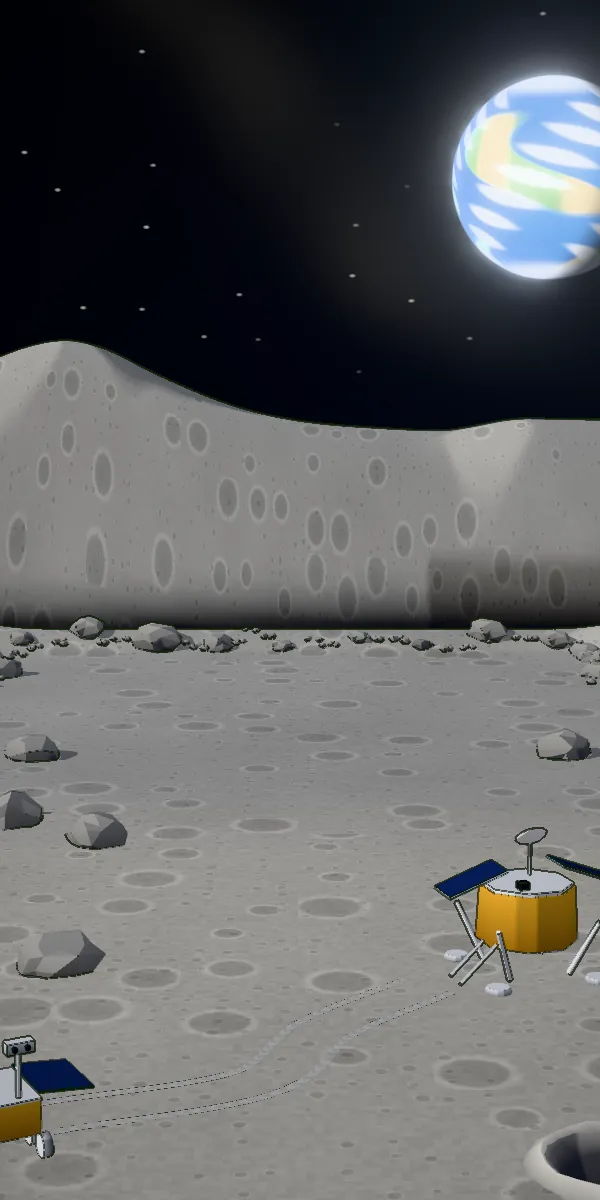
    During the Moon's long night, the Mist of Fear hides the light. From Tranquility Base to the South Pole, go in little hops… and make the Sun rise!

    Pip is
    a little moonwalker
    He throws
    little golden crescents
    You cross
    the Moon's night, a field of craters, Tranquility Base, the edge of Hadley Rille, the far side, the South Pole on the rim of Shackleton crater
    The guardian (made up)
    the Mist Eclipse

    Chronicle pages

    • 1969On 21 July, Neil Armstrong is the first human to walk on the Moon, in the Sea of Tranquility. Buzz Aldrin joins him; Michael Collins waits for them, circling the Moon.
    • 1971On 2 August, on the Moon, David Scott drops a hammer and a feather at the same time: with no air to slow the feather, they hit the ground together.
    • 2019On 3 January, the Chinese probe Chang'e 4 lands on the far side of the Moon for the first time, with a little robot, Yutu-2, the "Jade Rabbit".
    In the notebookCottonThale cressAmerican sycamore
    Companion wonLunette
    Game screenshot — The Moon

The mini-games

Another way to play

They open once their chapter is won: no fighting, no Mist, just a place and a skill.

  • Pip's sky

    After the chapter “The heath plateau”

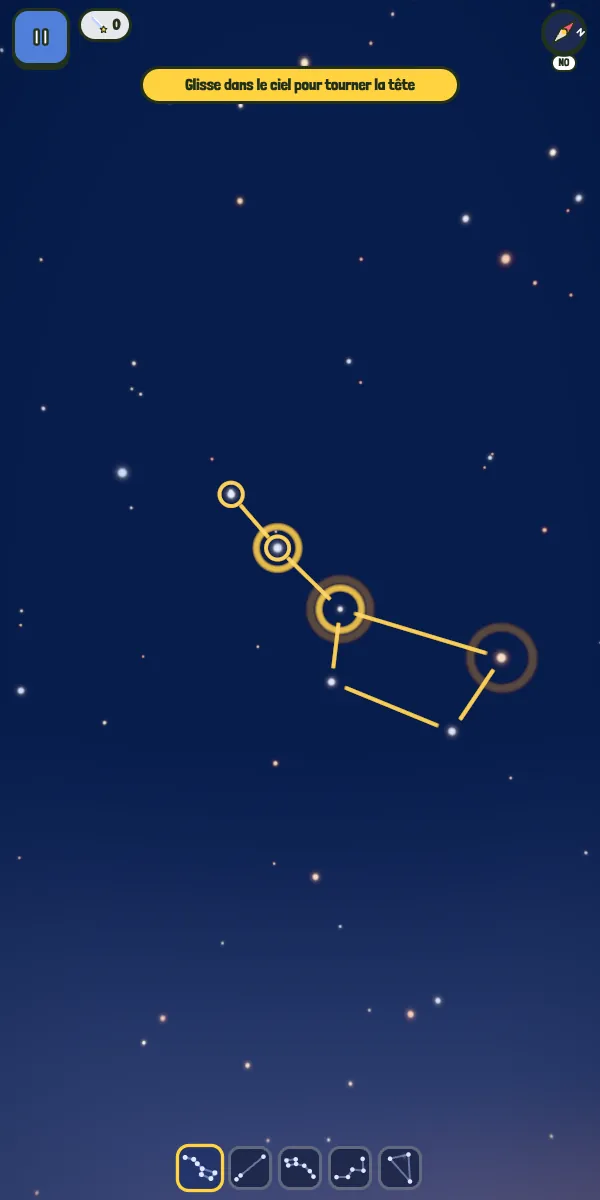
    On the heath, on the night of the shooting stars: join the stars with Hoot, and find the north!

    What you learn

    Joining the Big Dipper, the Little Bear, the W of Cassiopeia and the Summer Triangle in the real August sky over Helfaut; and finding the Pole Star by carrying the gap between the two stars at the edge of the Dipper about five times over: it shows the north.

    Game screenshot — Pip's sky
  • Pip's telescope

    After the chapter “The planetarium”

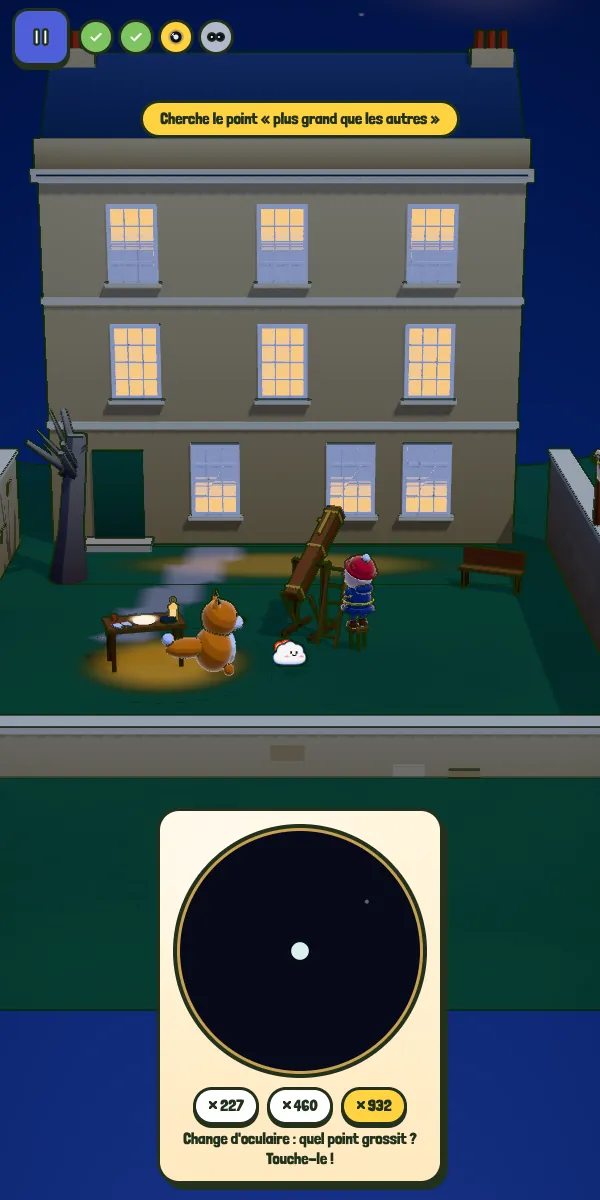
    Bath, 13 March 1781: in William Herschel's garden, polish the mirror, aim at the sky… and find the point that isn't a star!

    What you learn

    In a telescope, a star stays a point however much you magnify it; a point that grows with the eyepiece, and moves from one night to the next, is not a star. That is how William Herschel recognised Uranus, on the border of Taurus and Gemini.

    Game screenshot — Pip's telescope
  • Pip's calculation

    After the chapter “The planetarium”

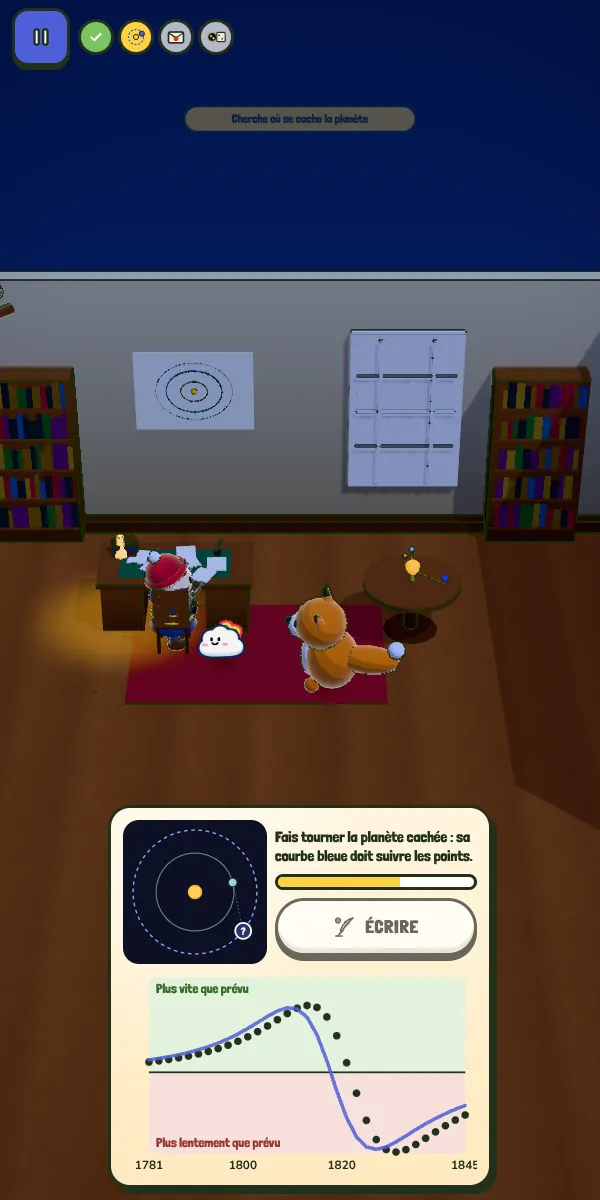
    Paris, 1846: Uranus is never on time. A planet nobody has seen is pulling it… Find it by calculation!

    What you learn

    A planet nobody has seen can be found by calculation: Le Verrier announced where to look on 31 August 1846, wrote to Johann Galle, and in Berlin, the very evening the letter arrived, Galle saw Neptune less than one degree from the calculated place.

    Game screenshot — Pip's calculation
  • Pip's moon buggy

    After the chapter “The Moon”

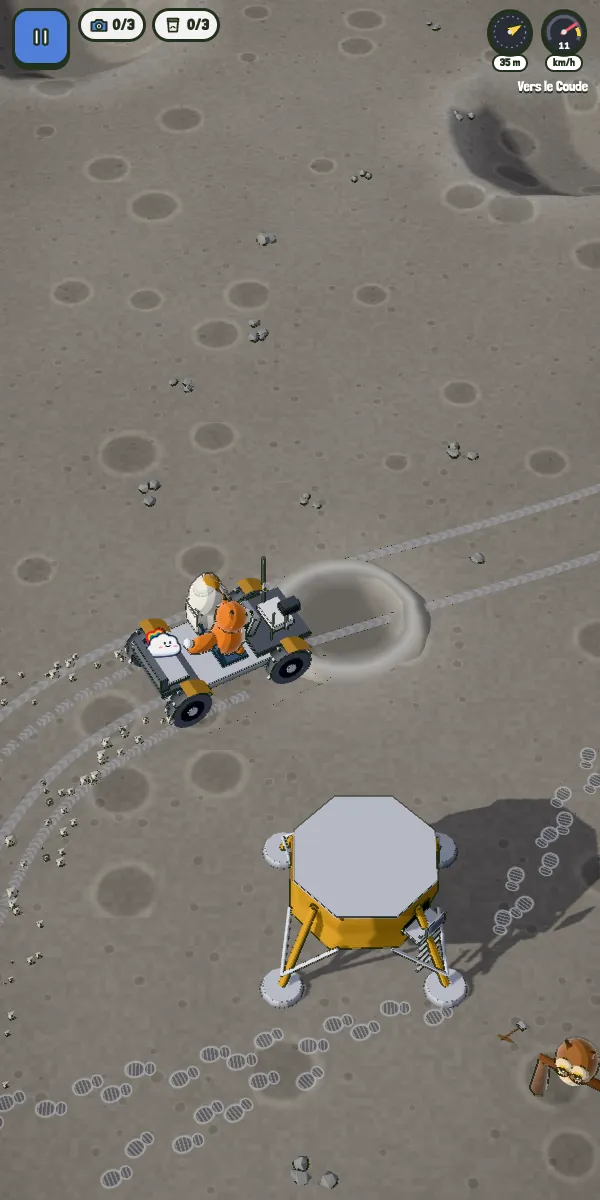
    On the Moon, at Hadley: drive Apollo 15's route in the lunar rover, and bring it back to its very place!

    What you learn

    On 31 July 1971, Apollo 15 was the first mission to use the lunar rover: for the first time, astronauts drove on the Moon. The game stops where they stopped, takes photos, and takes nothing home.

    Game screenshot — Pip's moon buggy
  • Pip's Grand Prix

    After the chapter “The Moon”

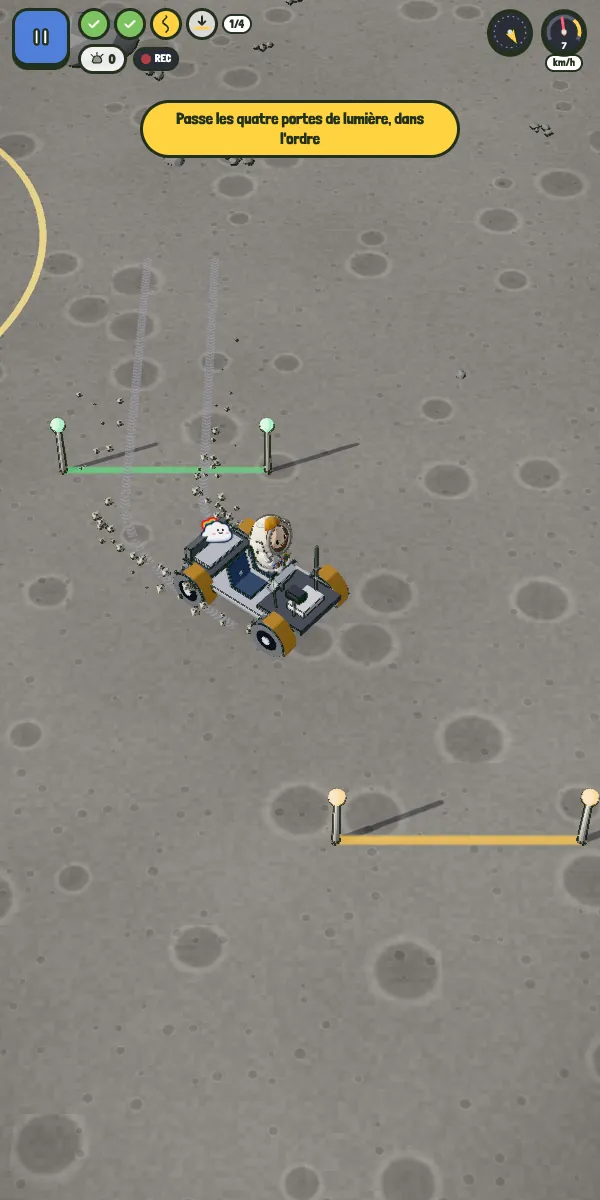
    At Descartes, on the Moon, Apollo 16's rover wakes up: drive the programme Russet will film, like Charlie Duke in 1972!

    What you learn

    In April 1972, at Descartes, John Young gave a driving demonstration with Apollo 16's rover, and Charlie Duke filmed it with a 16 mm camera: back on Earth, people could see how it handled on the Moon. It is not a race.

    Game screenshot — Pip's Grand Prix

With care

What the game makes up, what it doesn't show

  • Pip, Russet, Hoot, the Grimoire, the Mist of Fear, its Mistlings and its four guardians are made up. The real animals and plants of the notebook are peaceful: you watch them, you never fight them.
  • No rocket is ever shown, nor any soldier, weapon, flag, insignia or swastika. The dome is shown as it is today, a museum, and the blockhaus on the heath as what they have become, shelters for bats.
  • Paul is made up, and the game says so: a boy of nine in 1940, like the one the museum has schoolchildren follow. What he tells (hunger, cold, the siren, a dad held prisoner, the songs, the Liberation) happened to real children of the region, and he tells it in a child's words.
  • The chapter "Under the dome" is built, and it will be presented to La Coupole's educational service to be reworked with it. The deportation and the Holocaust, the Dora camp, the Resistance and Vichy are deliberately not told there: that is to be decided with the museum.
  • The journey from planet to planet, and from one place on the Moon to another, is imagined, and the game says so: nobody walks on Mercury or on Saturn's rings, and between two places on the Moon, Pip goes through one of the Grimoire's doors.
  • On the Moon, no flag is drawn: the game shows what was left there (Apollo 11's descent stage, Apollo 15's rover, Chang'e 4 and its robot). In the mini-games, you take photos and take nothing home.

For real

Go and see the places

Coming soon onGoogle PlayLater onApp Store