
Doku — The Lost Chronicle · Episode 4 / 7

All episodes

DokuGiants

Giants, fairs and carnival

The festive towns of the North

Three chapters of feasting: the ducasse of a village in Flanders where a giant is to be born, the giants' feast of a little town in the North, then Dunkirk's carnival by the North Sea. The village, the town and their giants are invented; the real giants are told by the pages of the Chronicle.

The Mist

The Silence Mist, invented for the game, wants to hush the feast: it has scattered the new giant, silenced the drums, frozen the giants and hidden itself in the carnival. Its Mistlings — bundles of osier, cobbles, cracked bells, crabs, grey umbrellas — are dispelled, never killed, and stand for no one.

3

chapters

2

mini-games

9

notebook species

The real history

What the episode tells

Processional giants are big figures of wicker and wood, dressed up and carried from inside by bearers whom the music sets walking and dancing. The first giant figures are recorded in Antwerp in 1398, and in Douai, Gayant was made in 1530 by the town's basket-makers. Giants can marry and have children: in 2013, Sœur, daughter of the Matelote and the Icelander, was baptised in front of the town hall of Grand-Fort-Philippe, with Flip, the giant of Berck-sur-Mer, as her godfather. In 2005, UNESCO proclaimed the "Processional giants and dragons of Belgium and France" a masterpiece of the oral and intangible heritage of humanity, and the region now has more than 450 giants. Douai, Cassel, Dunkirk and Grand-Fort-Philippe are in the Nord department; the Pas-de-Calais has giants of its own too, such as Batisse and Zabelle, a fisherman and his wife first turned into giants in 1923 in Boulogne-sur-Mer, or Colas, Jacqueline and Dédé, whom the Arras episode sets dancing on the Grand-Place.

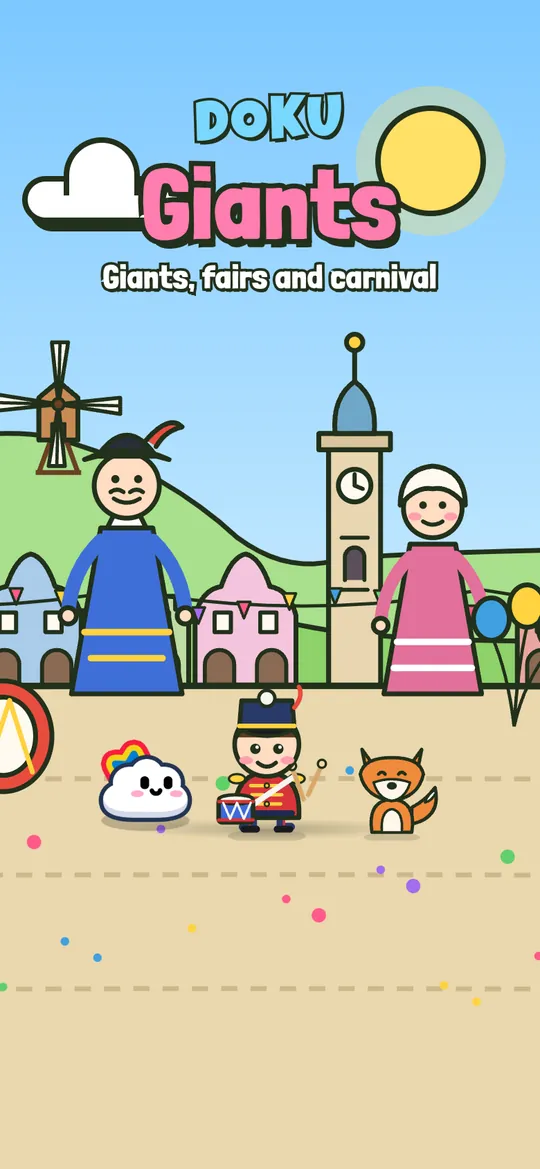
The episode's home screen in the game

Key dates

  1. 1

    1398

    The first giant parade figures are recorded in Antwerp.

  2. 2

    1510

    The oldest known carillon keyboard is in Oudenaarde, in Belgium: the carillonneur plays with hands and feet.

  3. 3

    1530

    The basket-makers of Douai create Gayant, a wicker giant, for a procession.

  4. 4

    1827

    In Cassel, Reuze Papa (6.25 m) is made; Reuze Maman joins him in 1860, and they dance to the Reuze Lied.

  5. 5

    1962

    In Dunkirk the herring throw begins: from the town hall balcony, wrapped smoked herrings are thrown to the crowd.

  6. 6

    2000

    In front of the town hall of Grand-Fort-Philippe, the Icelander of Gravelines marries the Matelote, just like a real civil wedding.

  7. 7

    2005

    UNESCO proclaims the processional giants and dragons of Belgium and France a masterpiece of the heritage of humanity.

  8. 8

    2013

    Sœur, the daughter of the Matelote and the Icelander, is born and given her civil baptism in Grand-Fort-Philippe.

The chapters

Chapter by chapter

  1. Chapter 1

    The new giant

    In a village of Flanders it's the ducasse, the village fair: a giant is to be born and baptised there. But the Silence Mist has scattered her pieces!

    Pip is
    an apprentice at the giants' workshop
    He throws
    spools of linen thread
    You cross
    the canal willows, the flax field, the farmyard, the ducasse, the church square, the town hall square
    The guardian (made up)
    the Mist Mannequin

    Chronicle pages

    • A traditionThe ducasse is the yearly feast of a village or a town, in Belgium and in the North of France. The word comes from "dédicace", the dedication of the church; the giants parade and dance there.
    • A traditionA giant is a frame of wood and osier, then dressed. Its head used to be carved from lime wood; today it is often made of papier-mâché, resin or plastic.
    • 2013On 6 April 2013, Sœur was born, the daughter of the Matelote and the Icelander. She was baptised in front of the town hall of Grand-Fort-Philippe, with Flip, the giant of Berck-sur-Mer, as her godfather.
    In the notebookOsier willowLittle owlFlax
    Companion wonGingerbrute
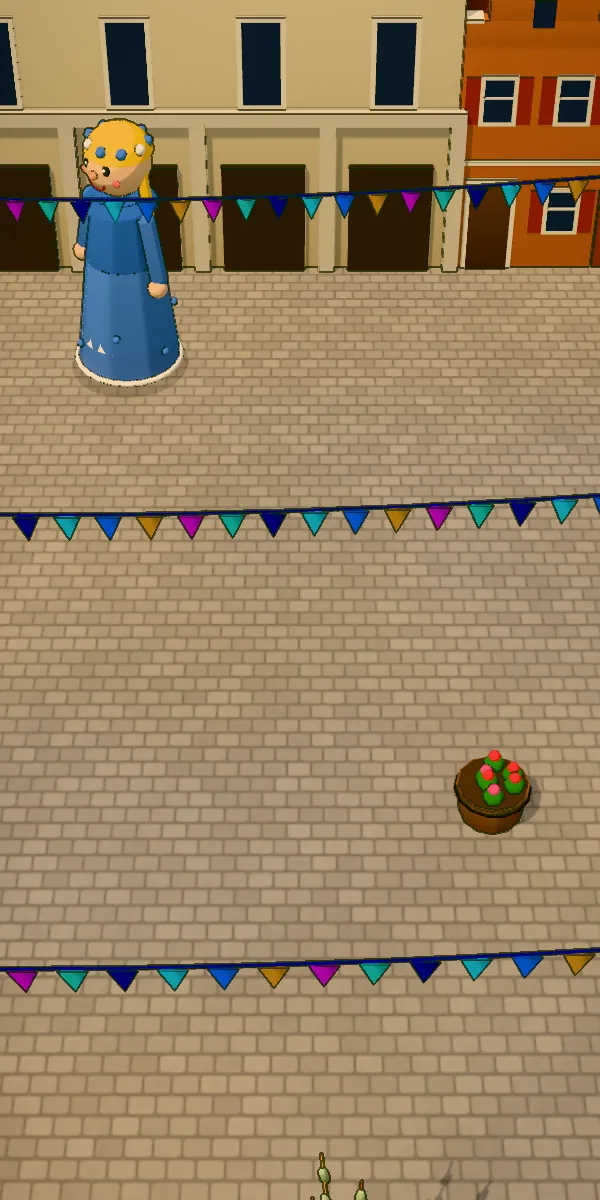
    Game screenshot — The new giant
  2. Chapter 2

    The giants

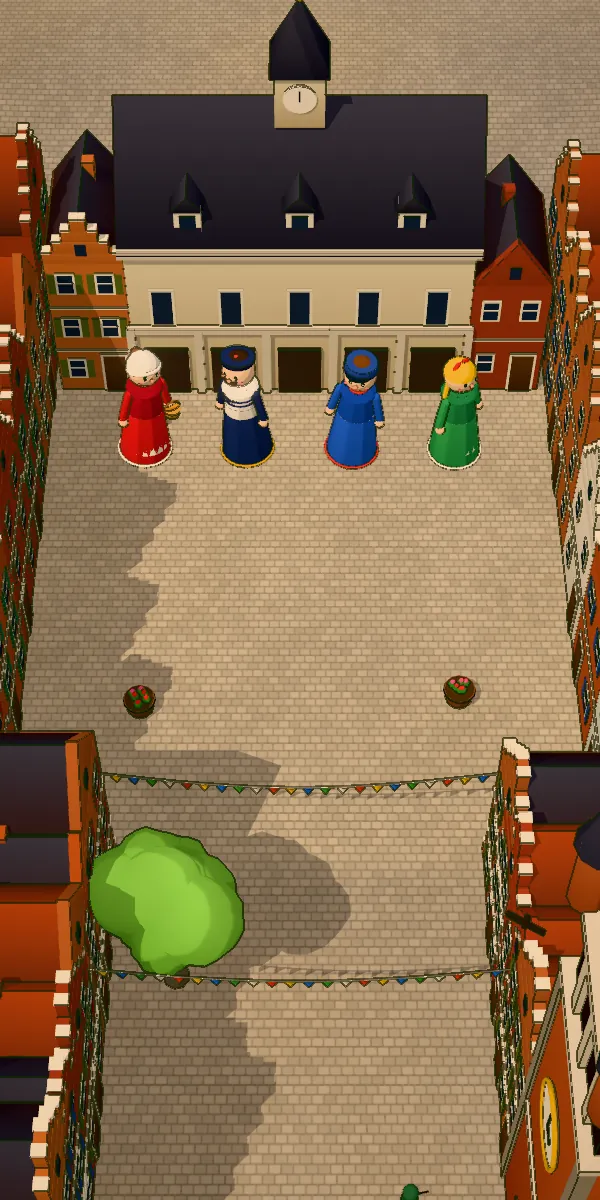
    On the day of its giants' feast, a town of the North has fallen silent. Your music will wake them up!

    Pip is
    the band's little drummer
    He throws
    musical notes
    You cross
    the edge of town, the high street, the giants' workshop, the market, the foot of the belfry, the Grand-Place
    The guardian (made up)
    the Mist Dragon

    Chronicle pages

    • 1398The first big parade figures are recorded in Antwerp, in Belgium, in 1398. By the end of the Middle Ages, giants were walking in the processions of many European towns.
    • 1530In 1530, the basket-makers of Douai, in the Nord, made a wicker giant for a procession: Gayant. Today he is 8.50 m tall, weighs 370 kg, and it takes six bearers to make him dance.
    • 2005UNESCO proclaims the processional giants and dragons of Belgium and France a masterpiece of the oral and intangible heritage of humanity; in France, those of Cassel, Douai, Pézenas and Tarascon.
    In the notebookCommon swiftJackdawIvy-leaved toadflax
    Companion wonMelody
    Game screenshot — The giants
  3. Chapter 3

    The carnival

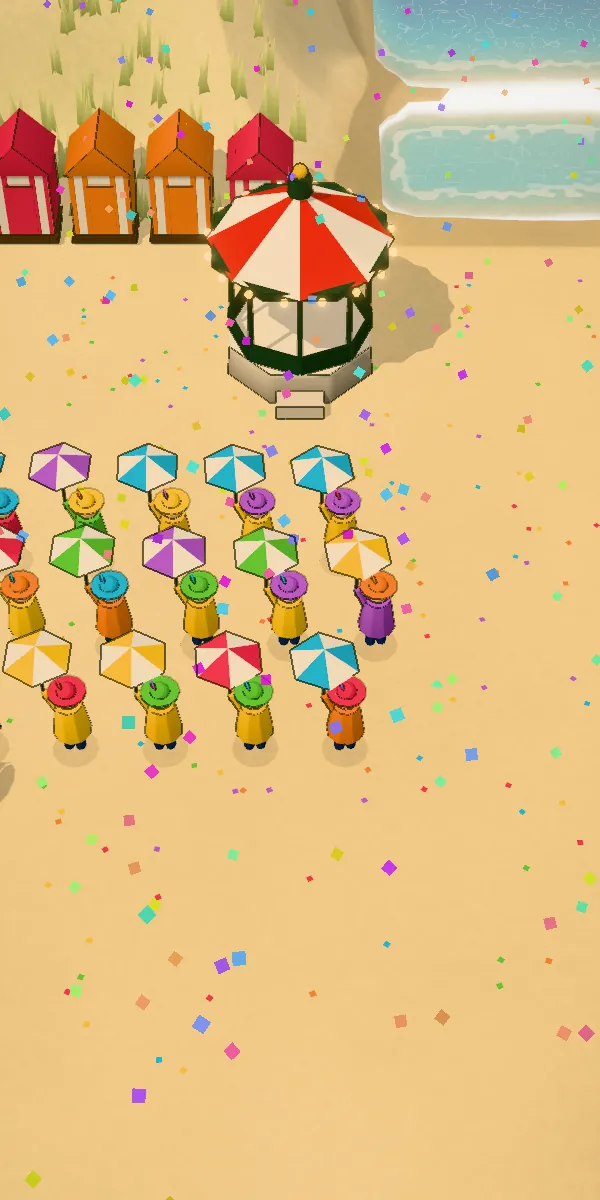
    Dunkirk's carnival, by the North Sea. Confetti, umbrellas and music: the last feast to save!

    Pip is
    a carnival reveller
    He throws
    confetti
    You cross
    the fishing harbour, the bande's streets, the chapelle, the town hall's forecourt, the dunes of Malo, the beach
    The guardian (made up)
    the Mist Whale

    Chronicle pages

    • 17th centuryThe story goes that Dunkirk's carnival dates back to the 17th century: before the sailors left for months to fish for cod off Iceland, the shipowners threw them big parties.
    • A traditionThe bande is the carnival parade: at the front, the clique in striped jumpers and yellow raincoats, led by the drum major; behind, the revellers arm in arm. It sets off at 3 pm and lasts five hours.
    • A traditionA reveller's costume is called a "clet'che". The umbrella, held up high, has become the carnival's emblem: its colours show which group you belong to.
    In the notebookHerring gullHarbour sealMarram grass
    Companion wonBalloonDog
    Game screenshot — The carnival

The mini-games

Another way to play

They open once their chapter is won: no fighting, no Mist, just a place and a skill.

  • Pip's ducasse

    After the chapter “The new giant”

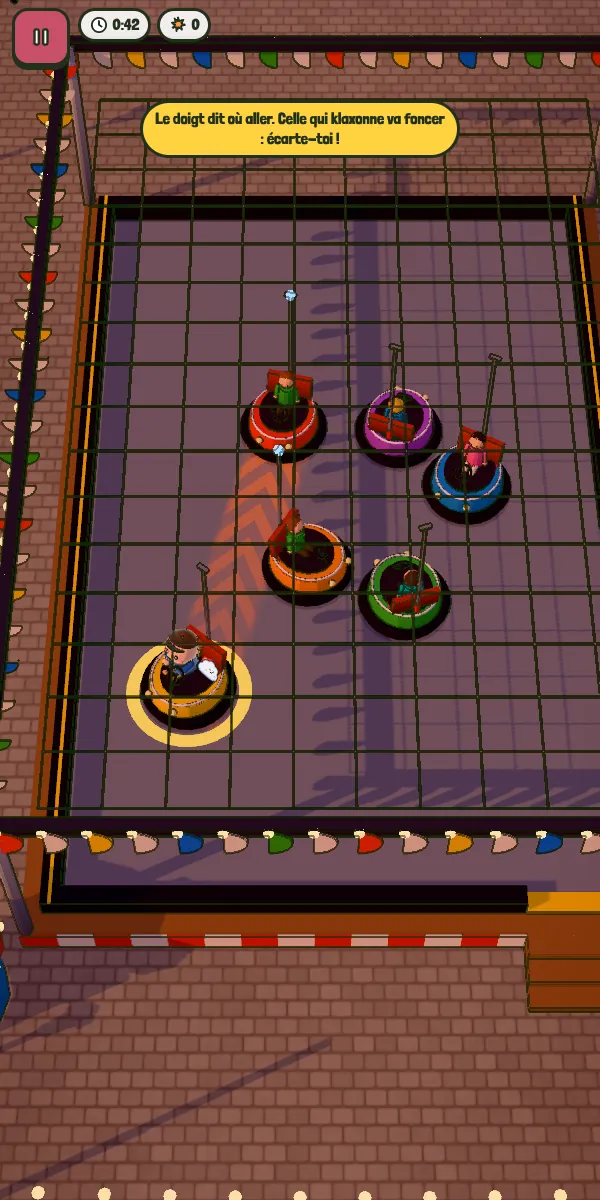
    The evening of Flore's christening: the bumper cars, hook-a-duck and the strength stand!

    What you learn

    Bumper cars appeared at the end of the 1920s, in Europe and in the United States. Their electricity comes from a grid above the rink: it runs down the car's tall pole and back through the sheet-metal floor, and rubber bumpers soften the knocks.

    Game screenshot — Pip's ducasse
  • Pip's procession

    After the chapter “The giants”

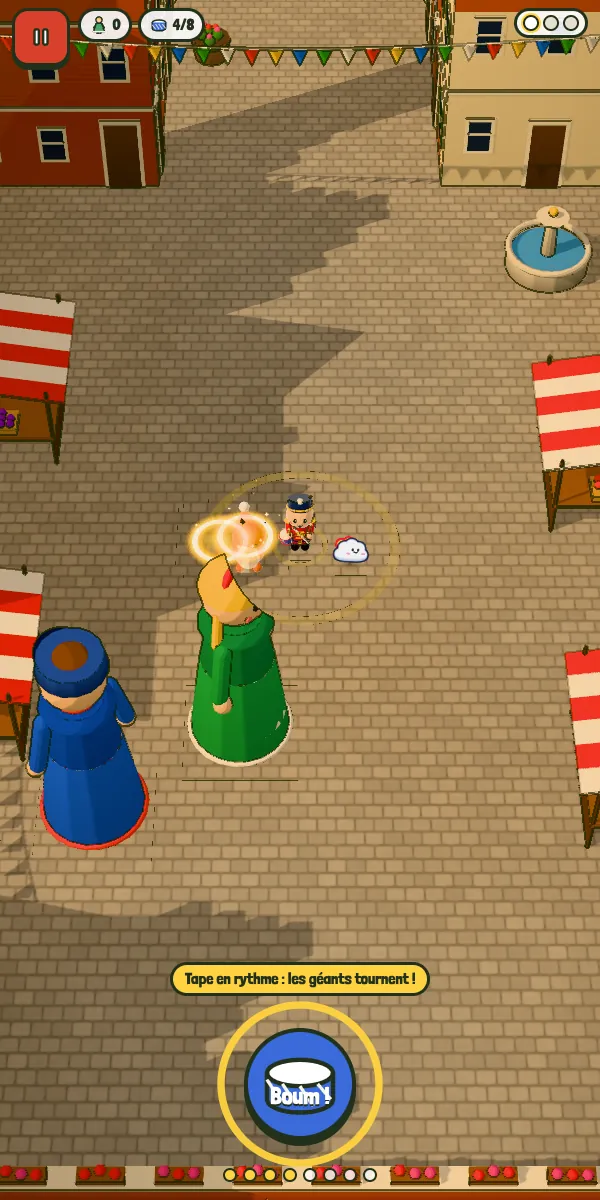
    Tonight the giants come out: lead them with your drum to the Grand-Place, and make them dance on every square!

    What you learn

    A giant is carried from inside: in Douai, the bearer at the front sees out through an opening in the giant's basket and skirt, and is called the "chef de lunette". Monsieur Gayant, 8.50 m tall, is carried by six bearers.

    Game screenshot — Pip's procession

With care

What the game makes up, what it doesn't show

  • The ducasse village, the giants' town and their giants — Flore and her parents, Lison, Jules, Gaspard the boatman, Rosalie the baker — are invented, and none of them carries a weapon.
  • The real giants — Gayant, Marie Cagenon, the Reuze giants of Cassel, the Matelote, the Icelander, Sœur — are told by the pages, never drawn; nor are Dunkirk's Reuze, a warrior, or Jean Bart, a privateer.
  • Pip, Russet the fox, Hoot the owl, the Grimoire, the Silence Mist, its Mistlings and its guardians — the Mist Mannequin, Dragon and Whale — are invented; the Mistlings are dispelled, never killed.
  • Nothing that is not for children: no beer, no bawdy songs, no face paint, no café shown; the herring throw is told, never shown.
  • Dunkirk, Cassel, Douai and Grand-Fort-Philippe are in the Nord department, not the Pas-de-Calais: the episode follows the giants' feasts across the whole region.
  • At the ducasse's strength stand you hit a punchbag or a ball, never a figure, and your friends never laugh at you.

For real

Go and see the places

Coming soon onGoogle PlayLater onApp Store