
Doku — The Lost Chronicle · Episode 2 / 7

All episodes

DokuCoal

In the land of the miners

The mining basin of northern France

In the second episode, the Grimoire shows Pip a black stone picked up on a slag heap: the print of a fern that grew 300 million years ago. It takes him into the forest whose plants became coal, then Lucien, a former miner, shows him round his miners' town, his pit and a slag heap, all the way to the Louvre-Lens. Pip wears a visitor's lamp helmet there, never that of a child at work.

The Mist

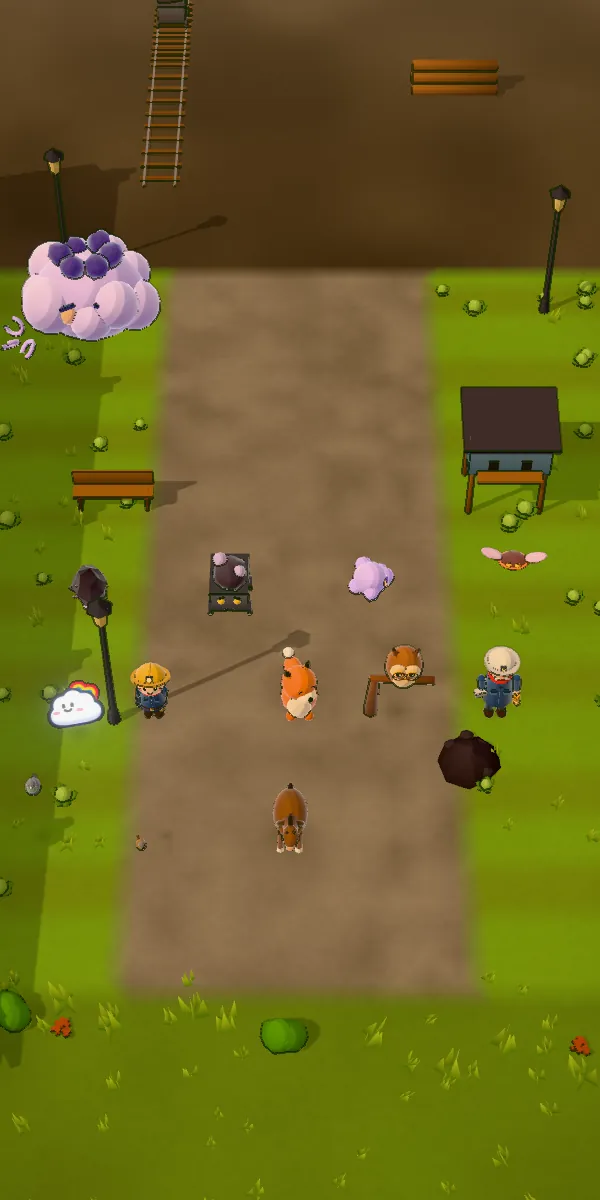
The Soot Mist, made up for the game: it wants everyone to forget where coal comes from. It takes the shapes of the swamp, then of what miners feared (rolling lumps of coal, runaway tubs, wisps of firedamp), and would like to keep the slag heaps black and dead. The light of Pip's lamp dispels it.

3

chapters

2

mini-games

10

notebook species

The real history

What the episode tells

About 300 million years ago, in the Carboniferous, a forest grew in a great swamp by the sea, near the equator, where northern France lies today: its plants, buried, squeezed and heated for millions of years, became coal. On 3 February 1720, coal was reached at Fresnes-sur-Escaut, in the Nord: the beginning of the mining basin of the Nord and the Pas-de-Calais. For 270 years, miners went down below; the companies built rows of brick houses with gardens for them, the corons, and workers of 29 nationalities came to the mines, among them Poles, Italians, Algerians and Moroccans. The last lump of coal came up on 21 December 1990 at the 9-9 bis pit in Oignies. On 30 June 2012, Unesco listed the Mining Basin as World Heritage, as a "living, evolving cultural landscape": 353 elements, among them 17 pits, 21 headframes, 51 slag heaps and 124 miners' towns. Nature has come back to the slag heaps: on those of the 11/19 at Loos-en-Gohelle, 159 kinds of animals and 190 kinds of plants have been counted. And on 4 December 2012, Saint Barbara's Day, the miners' patron saint, the Louvre-Lens opened on the yard of a former pit.

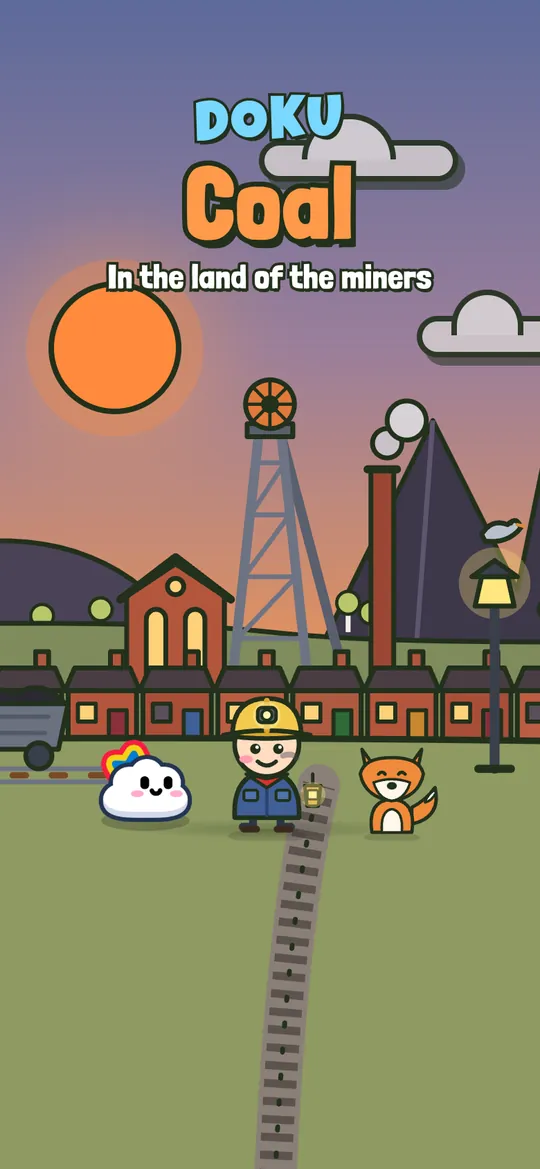
The episode's home screen in the game

Key dates

  1. 1

    360 to 300 million years ago

    In the Carboniferous, the swamp forest that the coal of the Nord and the Pas-de-Calais is made of grows near the equator.

  2. 2

    3 February 1720

    Coal is reached at the Jeanne Colard pit, at Fresnes-sur-Escaut, in the Nord: the beginning of the mining basin.

  3. 3

    1856

    The Bruay mining company begins the Cité des électriciens, one of the oldest miners' towns of the basin.

  4. 4

    19 May 1874

    A law bans work underground in the mines before the age of 12.

  5. 5

    10 March 1906

    The Courrières disaster, the worst mining disaster in Europe: rescuers come from Germany, and twenty days later, thirteen survivors find their way back to the shaft.

  6. 6

    1976

    Bambino, the last pit horse of the basin, comes back up to daylight.

  7. 7

    21 December 1990

    The last lump of coal comes up at the 9-9 bis pit in Oignies: mining stops in the Nord and the Pas-de-Calais.

  8. 8

    30 June 2012

    The Mining Basin is inscribed on Unesco's World Heritage List.

  9. 9

    4 December 2012

    The Louvre-Lens opens on Saint Barbara's Day, the miners' patron saint.

The chapters

Chapter by chapter

  1. Chapter 1

    The coal forest

    300 million years ago: scale trees, a giant dragonfly and the secret of coal.

    Pip is
    a visitor in a lamp helmet
    He throws
    flashes of light from his lamp
    You cross
    the fern edge, the black pools, the scale trees, the warm spring, the peat bog, the soot nest
    The guardian (made up)
    the Soot Centipede

    Chronicle pages

    • 360 to 300 million years agoScientists call this time the Carboniferous, "the coal-bearing age". The coal of the Nord and the Pas-de-Calais formed about 300 million years ago, when our region lay near the equator.
    • For millions of yearsLeaves, bark and trunks fall to the bottom of the water, away from the air. Buried, squeezed and heated for millions of years, they turn into coal: that is coalification.
    • In the CarboniferousArthropleura was about 2.6 metres long and weighed about 50 kilos: it is the biggest arthropod we know of. Scientists still do not know what it ate.
    In the notebookCalamites (giant horsetail)Meganeura (giant dragonfly)Lepidodendron (scale tree)Arthropleura (giant millipede)
    Companion wonPink
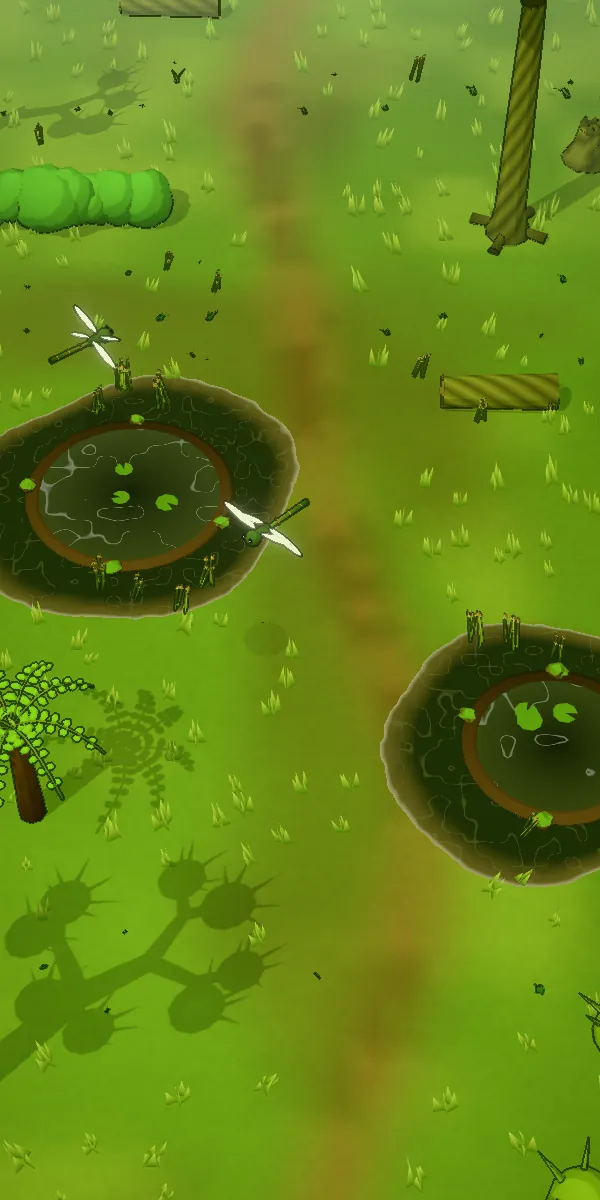
    Game screenshot — The coal forest
  2. Chapter 2

    The pit and the miners’ town

    The miners' terraces, the headframe, then the cage down to the bottom: the galleries, the pit ponies and the coal seam.

    Pip is
    a visitor in a lamp helmet
    He throws
    flashes of light from his lamp
    You cross
    the miners' terraces, the pithead yard, the hanging room, then down below: the galleries, the stables, the coal face
    The guardian (made up)
    the Great Firedamp

    Chronicle pages

    • Since 1856The mining companies built rows of identical brick houses with a garden for their miners: the corons. The Cité des électriciens in Bruay-la-Buissière, built from 1856 to 1861, is one of the oldest; it has been open to visitors since 2019.
    • 19 May 1874Long ago, children worked in the mines. The law of 19 May 1874 banned work underground before the age of 12; in 1892, another law raised that age to 13.
    • Until 1976Horses pulled the coal tubs along the galleries, and the pits had stables even down below. The last pit horse of the basin, Bambino, came up in 1976.
    In the notebookHoming pigeonHouse sparrowPit pony
    Companion wonCrystal
    Game screenshot — The pit and the miners’ town
  3. Chapter 3

    The slag heaps

    Black mountains turned green hills: birches, a toad that scurries, and the Louvre-Lens at the foot of the heap.

    Pip is
    a visitor in a lamp helmet
    He throws
    flashes of light from his lamp
    You cross
    the foot of the heap, the birches, the ringing station, the puddles, the warm flank, the twins' plateau, then the park of the Louvre-Lens
    The guardian (made up)
    the Shale Golem

    Chronicle pages

    • 19th – 20th centuryAlong with the coal, miners brought up shale and sandstone, piled up near the pits as cones or plateaus: the slag heaps. The mining basin had about 350 of them; some 200 are left.
    • 30 June 2012Unesco lists the Nord–Pas-de-Calais Mining Basin as World Heritage, as a "living, evolving cultural landscape": 353 elements, among them 51 slag heaps, 21 headframes and 124 miners' towns.
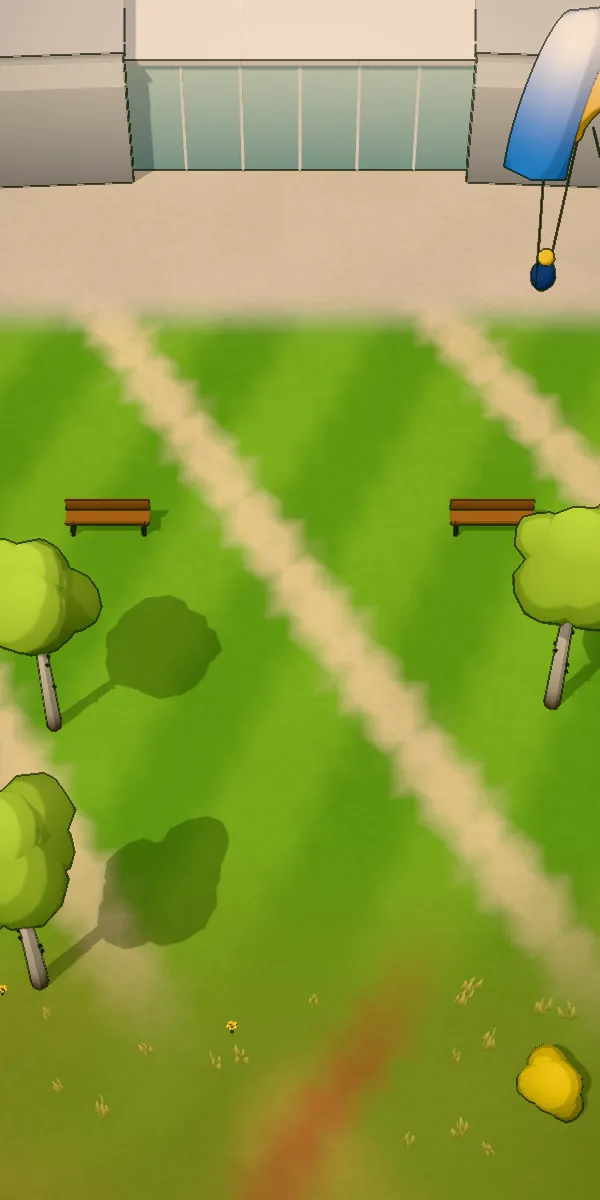
    • 4 December 2012On Saint Barbara's Day, the miners' patron saint, the Louvre-Lens opens on the old yard of Lens's pit number 9: a museum of glass and aluminium, designed by the Japanese architects of SANAA.
    In the notebookSwallowtailIcterine warblerNatterjack toad
    Companion wonPhoenix
    Game screenshot — The slag heaps

The mini-games

Another way to play

They open once their chapter is won: no fighting, no Mist, just a place and a skill.

  • Pip's pit

    After the chapter “The pit and the miners’ town”

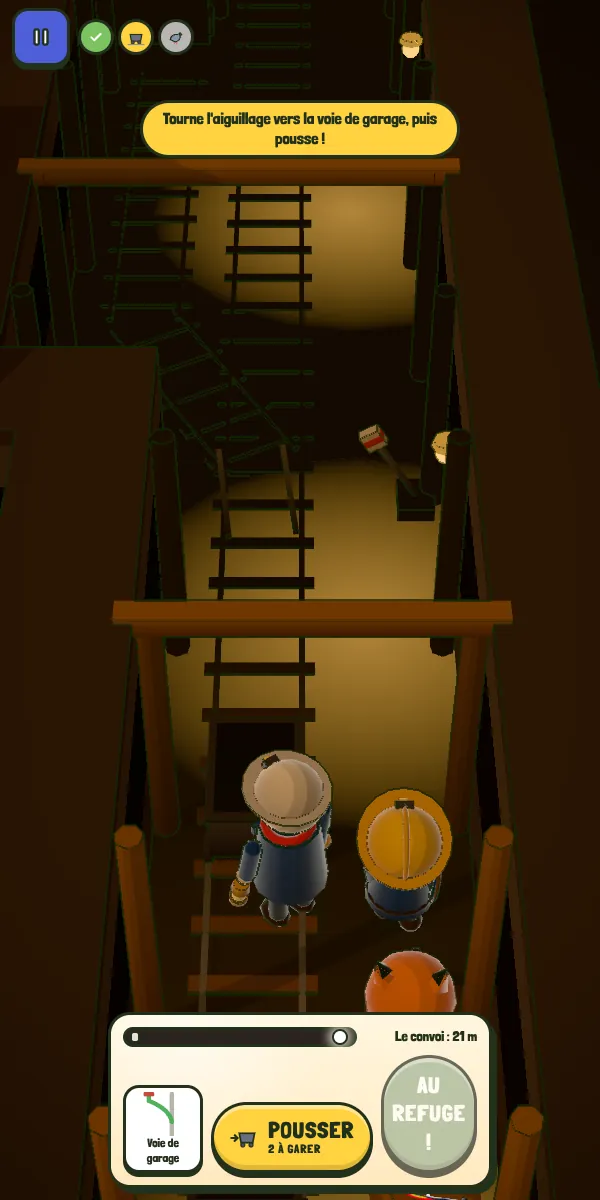
    Lucien shows you round his pit: go down in the cage, clear the empty tubs before the convoy comes, then help him wait for his pigeons!

    What you learn

    How the cage, hanging under the headframe, takes the miners, their equipment and even the horses down; and that you speak to the winding engineman, in the engine house, with rings of a bell: a single ring means "stop".

    Game screenshot — Pip's pit
  • Pip's slag heap

    After the chapter “The slag heaps”

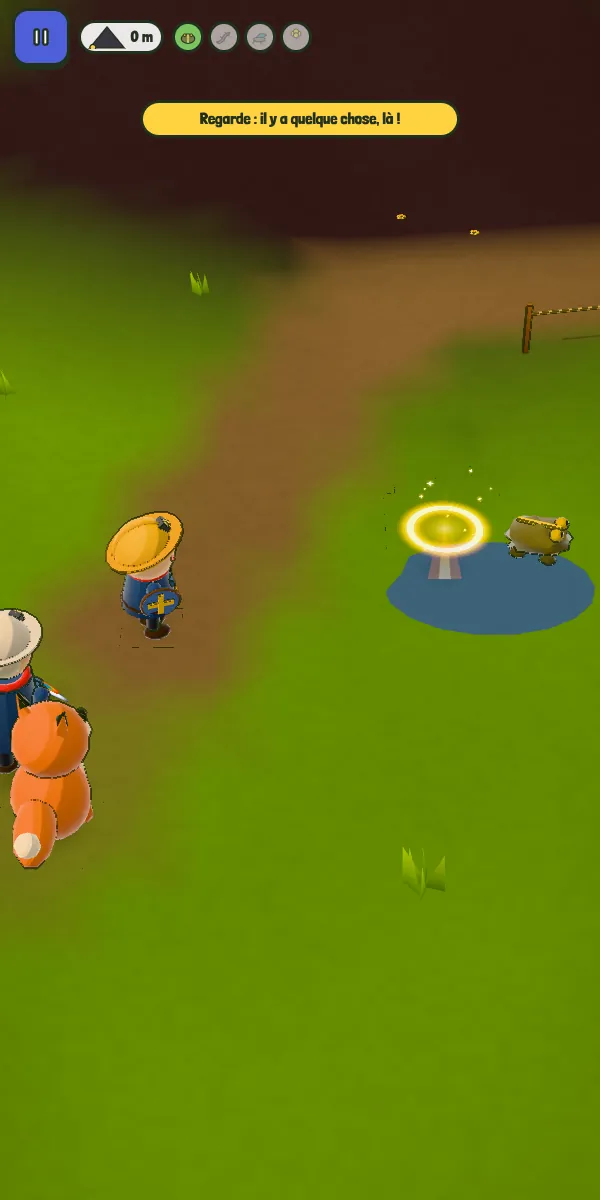
    Climb to the top of one of the twin slag heaps, for real, up its slope of black schist: stay on the zigzag path, look at what lives there… and enjoy the view!

    What you learn

    That the black schist of a slag heap holds the sun's warmth, and that rare plants and animals live there; that you stay on the marked paths so as not to damage it; and that the twin heaps of the 11/19 at Loos-en-Gohelle rise to 186 metres, among the highest in Europe.

    Game screenshot — Pip's slag heap

With care

What the game makes up, what it doesn't show

  • Pip is a visitor in a lamp helmet, never a child at work: the game says that children once worked in the mines, it does not show it. In the pit mini-game, the tubs Pip pushes are empty, and Lucien pushes with him.
  • Lucien, the former miner who guides Pip, is made up, like the guides of the Lewarde mining history centre, who are former miners. So are Pip, Russet, Hoot and the Grimoire.
  • The Soot Mist, its Mistlings and its guardians are made up. The Great Firedamp is a game cloud, not the real gas: no accident is shown, and the Courrières disaster is told through the rescuers and the survivors.
  • The real animals of the notebook (Arthropleura, Meganeura, the natterjack toad…) are peaceful: you watch them, you never fight them. The plants of the coal forest are drawn from their shapes, not reconstructed by a palaeobotanist.
  • The town, the pit and the slag heap are cartoon settings based on sourced descriptions: the game's heap is inspired by the twins of Loos-en-Gohelle without copying them, it is much smaller, and the Louvre-Lens is shown from afar and from outside, without any artwork.

For real

Go and see the places

Coming soon onGoogle PlayLater onApp Store